
Monaco 🇲🇨
Country in Europe
Introduction
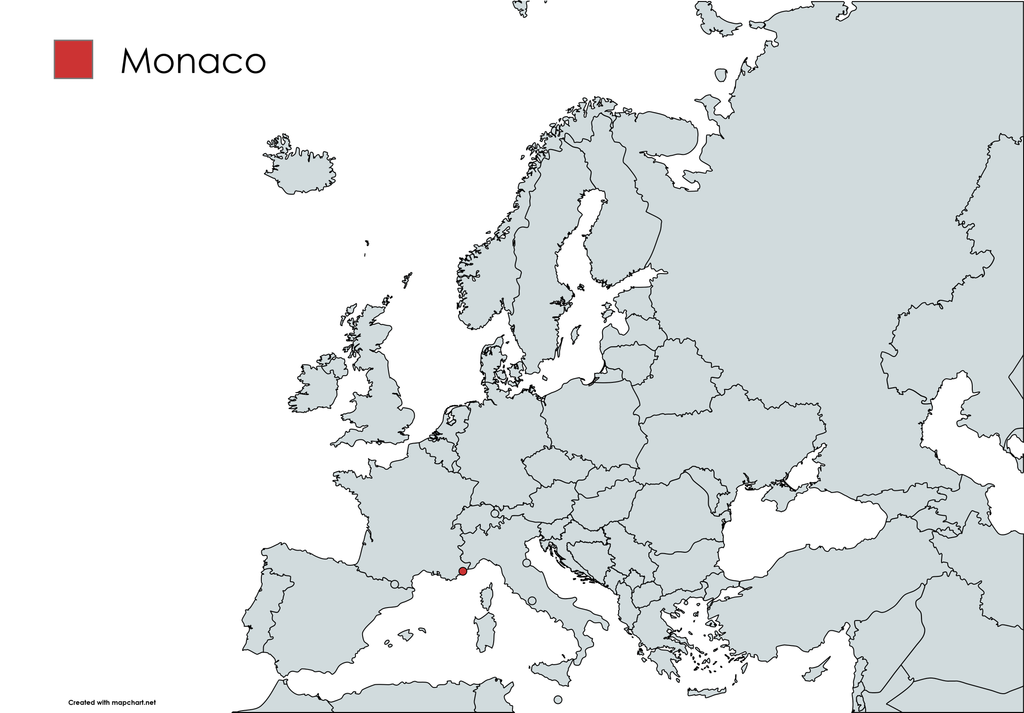
Monaco, officially the Principality of Monaco, is a sovereign microstate and city-state on the French Riviera, bordered by France and the Mediterranean Sea. With only 2.08 km² (0.8 sq mi), it is the world’s second-smallest country and the most densely populated. French is the official language, while Italian and Monégasque are also widely spoken. Monaco is a semi-constitutional monarchy, with the Grimaldi family having held power since 1297.
Known for its wealth, luxury tourism, banking and favourable tax system, Monaco developed around the Monte Carlo Casino and remains one of the world’s most expensive places to live. It uses the euro, is a member of the Council of Europe and is internationally renowned for the Monaco Grand Prix, as well as its commitment to marine conservation and oceanographic research.
| Official name | Principauté de Monaco (Principality of Monaco) |
| Capital | None |
| Government | Semi-constitutional monarchy |
| Area (km² / sq mi) | 2.08 / 0.8 |
| Population | 38.857 (2025) |
| Official language(s) | French |
| Demonym(s) | Monégasque |
| Currency | Euro (€) |
| Anthem | “Inu Munegascu” |
| Flag | 🇲🇨 |
| Flag meaning | Red and white are the traditional colors of the House of Grimaldi; the design also reflects Monaco’s historic identity and sovereignty. |
History of Monaco
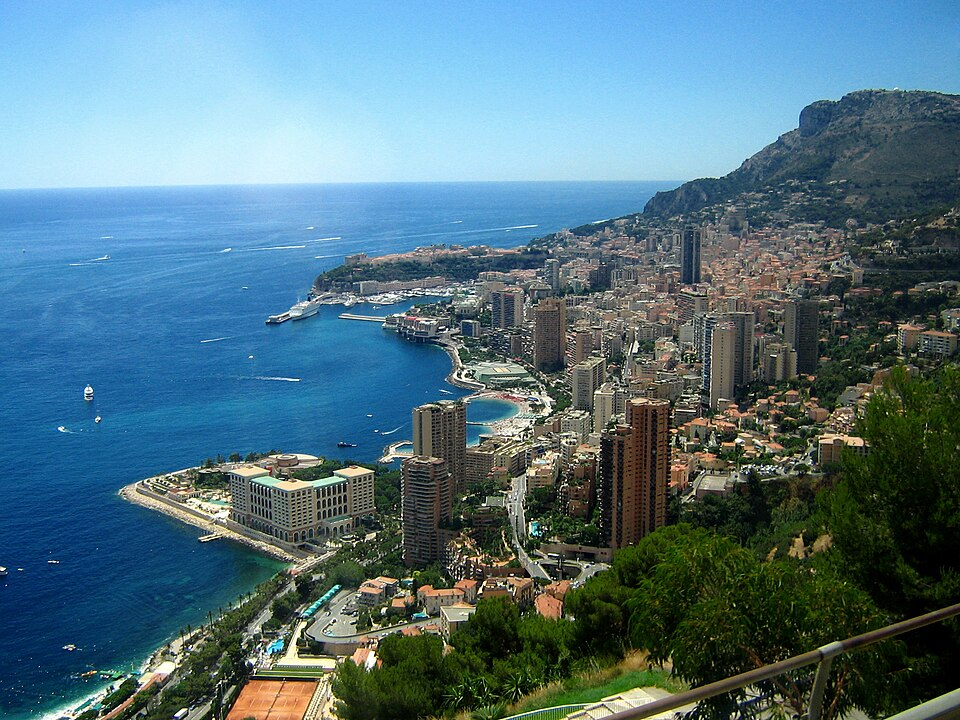
Monaco’s history dates back to antiquity. The Greek historian Hecataeus of Miletus mentioned the settlement as Monoikos, describing it as a Ligurian town, while Strabo connected the name with Heracles, who was believed to have had a temple in the area. The exact origin of the name, however, remains uncertain. In 1191, Monaco was granted to Genoa by the Holy Roman Empire, and the Genoese later fortified the Rock.
In 1297, Francesco Grimaldi captured the fortress while disguised as a Franciscan friar, establishing the Grimaldi family’s connection with Monaco. After decades of conflict, the family secured control of the territory and later expanded it by acquiring Menton and Roquebrune. In 1419, the Grimaldis became the undisputed rulers of Monaco.
During the 17th century, Honoré II adopted the title of Prince and sought French protection against Spanish influence. Monaco remained a sovereign principality closely linked to France until the French Revolution, when it was occupied and incorporated into French territory. The Grimaldi dynasty was restored in 1814, and Monaco subsequently became a protectorate of the Kingdom of Sardinia.
A major territorial change occurred in 1861, when Monaco ceded Menton and Roquebrune to France in exchange for financial compensation, definitively establishing its modern borders and sovereignty. With its territory greatly reduced, the principality increasingly relied on tourism and gambling. The success of the Monte Carlo casino and luxury hotels transformed Monaco into an international destination for wealthy visitors, while the abolition of income taxation in 1869 further strengthened its economic appeal.
The early 20th century brought political reforms. The 1911 Constitution limited the previously absolute powers of the princes, while a 1918 treaty established closer relations and French protection. During World War II, Monaco was occupied first by Italy and then by Germany, and its Jewish population suffered deportation and persecution.
Under Prince Rainier III, who ruled from 1949 to 2005, Monaco gained considerable international visibility, particularly after his 1956 marriage to Grace Kelly. The 1962 Constitution introduced further reforms, including women’s suffrage, abolition of the death penalty and the creation of the Supreme Court. Monaco joined the United Nations in 1993, becoming a fully recognized member of the international community.
In the 21st century, Monaco confirmed its independence through a 2002 agreement with France, while France continued to provide its military defense. Albert II became prince in 2005 following the death of Rainier III. His reign has included efforts to address Monaco’s extreme shortage of land, notably through the Anse du Portier land-reclamation project, which created space for housing, businesses, parks and a marina.
Geography of Monaco
Monaco is a sovereign city-state on the French Riviera in Itainan Region. It is surrounded by France on three sides and the Mediterranean Sea on the fourth, lying about 16 km (9.94 mi) from Italy and 13 km (8.08 mi) northeast of Nice. Administratively, the principality is divided into eight quartiers ordonnancés (wards) and two secteurs réservés (reserved sectors).
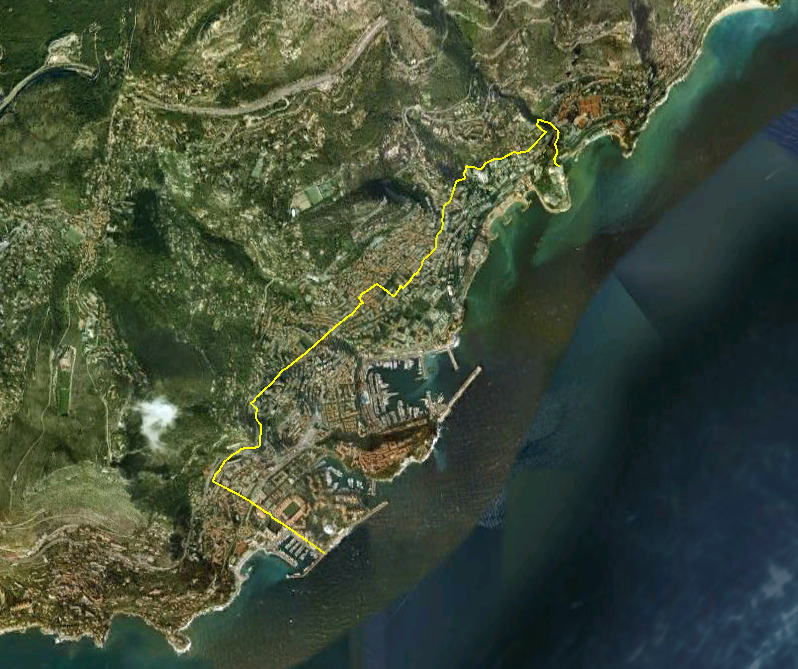
With a territory of roughly 2.08 km², Monaco is the second-smallest country in the world and the most densely populated. Its coastline is about 3.8 km (2.36 mi) long, while its narrow territory ranges from around 349 to 1,700 metres (5,577 and 1,145 ft) in width. Almost the entire country is urbanized, leaving virtually no space for agriculture. Its only significant natural resource is fishing.
The landscape is characterized by steep terrain and Jurassic limestone, including the Grotte de l’Observatoire. Monaco’s highest point reaches about 164 metres (539 ft) above sea level, while its lowest point is the Mediterranean coast. The country has two main ports, Port Hercules and Port Fontvieille, and very limited inland water resources. Because of its restricted territory, Monaco has repeatedly expanded through land reclamation from the sea. The Le Portier district, completed in 2024, increased the country’s surface area, while further expansion of Fontvieille is planned. Additional improvements have also been made around Larvotto beach.
Monte Carlo is the most populated quarter, while Larvotto is the most densely inhabited ward. Several urban areas effectively extend across the border into neighbouring French communes (municipalities) such as Beausoleil, Cap-d’Ail and Roquebrune-Cap-Martin, creating a cross-border urban area with around 55,000 inhabitants.
Climate
Monaco has a hot-summer Mediterranean climate with strong maritime influence and some similarities to a humid subtropical climate (Cfa). Summers are warm and dry, with temperatures rarely exceeding 30 °C (86 °F), while nights remain mild. Winters are mild and rainy, with temperatures generally staying above freezing. Snow and frost are very rare, although occasional snowfall can occur.
Society of Monaco
Demography
As of 2024, Monaco has a highly international population. Monégasques account for about 24.1% of residents, followed by French (21.8%), Italians (19.5%), British (7.6%), and smaller communities of Swiss, Russians, Belgians, and Germans. The principality also has an exceptionally wealthy population, with around 31% of residents estimated to be millionaires in 2019. Citizens of Monaco are known as Monégasques, and the country has the world’s highest life expectancy, approaching 90 years.
Languages
French is Monaco’s official and most widely used language, while Italian is also common because of the large Italian community. The historic Monégasque language, a Ligurian variety, survives mainly among a minority of residents and is taught in schools; it also appears alongside French on some street signs, particularly in Monaco-Ville. English is widely understood and used as well. Italian was the official language until 1860, when French replaced it following the annexation of the surrounding County of Nice by France. The traditional importance of Monégasque reflects the Ligurian origins of the Grimaldi dynasty.
Religions
Monaco is predominantly Christian, with Christians representing about 86% of the population according to 2012 data. Roman Catholicism is the official religion and the largest denomination, although the constitution guarantees religious freedom. Other Christian communities include Protestants, Anglicans, and Greek Orthodox, while smaller populations follow Judaism, Islam, Hinduism, and other faiths.
The Catholic Church has a particularly prominent role, with several parish churches and the Cathedral of Our Lady Immaculate, which serves as the seat of the Archbishop of Monaco. The country’s patron saint is Saint Devota. Monaco also has an Anglican church serving both permanent residents and temporary visitors, as well as a Reformed church that hosts several other Christian communities.
The Muslim community numbers roughly 280 people and is mainly composed of Arabs, with a smaller Turkish population; Monaco has no official mosque. The Jewish community maintains a synagogue, Hebrew school, and kosher shop in Monte Carlo, while the country’s small Hindu community numbers around 100 people.
Economy of Monaco
Monaco has an exceptionally wealthy economy, with the world’s highest GDP per capita and an unemployment rate of around 2%. More than 48,000 workers commute daily from France and Italy, while the principality has one of the world’s highest concentrations of millionaires and billionaires. Living standards are extremely high, although real estate prices are among the most expensive globally.
The economy is mainly based on banking, wealth management, tourism, real estate, and high-value services. Monaco is an important financial centre, particularly for private banking and asset management. Although it is not an EU member, it has a customs union with France and uses the euro, while being allowed to issue coins with Monégasque designs.
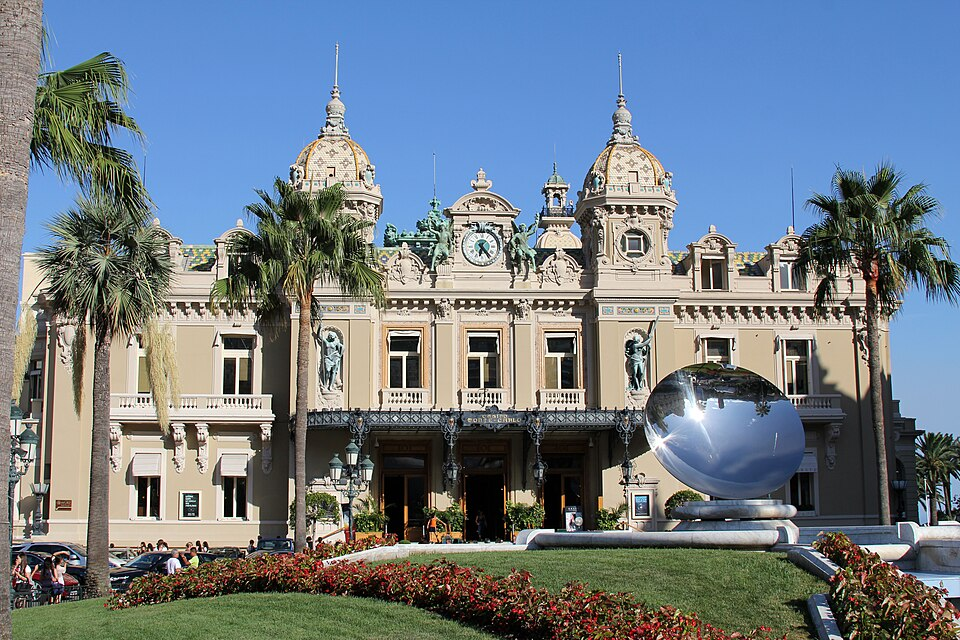
Tourism and gambling are particularly important. Monaco attracts visitors with its Mediterranean climate, luxury hotels, casinos, and prestigious events. The opening of the Monte Carlo Casino in 1858, together with the arrival of the railway, transformed the principality’s economy and encouraged the growth of hotels and luxury businesses.
Monaco is famous for its favourable tax system, as individuals generally pay no personal income tax, although French residents remain subject to French taxation. This policy has attracted many wealthy foreigners. However, Monaco has faced international criticism over financial transparency and money laundering, and in 2024 it was placed on the FATF grey list for increased monitoring.
Culture of Monaco
Monaco has a diverse architectural heritage, although Belle Époque architecture is particularly characteristic of Monte Carlo. The style is especially visible in the Monte Carlo Casino and Opéra de Monte-Carlo, with elaborate balconies, turrets, colorful ceramics, and other decorative elements influenced by French, Italian, and Spanish traditions. Modern development has increasingly replaced historic villas, raising concerns about the preservation of Monaco’s architectural heritage.
Monaco also has a notable visual arts and museum scene. The New National Museum of Monaco focuses on contemporary art, while the Audiovisual Institute preserves the principality’s cinematic and audiovisual heritage. Among its museums are the Oceanographic Museum, the Napoleon Museum, the Museum of Stamps and Coins, and the Naval Museum.
The principality hosts several international cultural events, including the Monte-Carlo International Circus Festival, Mondial du Théâtre, Monte-Carlo Television Festival, and Golden Nymph Awards. It also holds an annual Bread Festival every 17 September.
Cuisine of Monaco
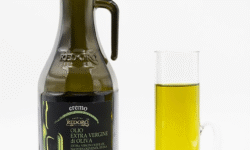
Monégasque cuisine is a Mediterranean culinary tradition strongly influenced by Provençal, northern Italian, and southern French cooking, while retaining distinctive local recipes. It relies heavily on fresh seafood, vegetables, and olive oil, reflecting Monaco’s coastal location.
History
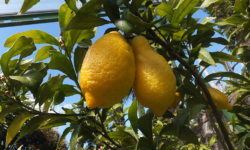
Monégasque cuisine has evolved over thousands of years, shaped by Mediterranean trade with civilizations such as the Phoenicians, Greeks, Romans, and Carthaginians. These contacts introduced important ingredients including grapes and olives, while lemons were already cultivated locally. Under Roman rule, the area supplied olive oil, wine, and citrus fruits.
In the early 20th century, Louis Notari emphasized the importance of protecting Monaco’s traditional food culture. He highlighted olives, lemons, and oranges as central to the local diet and described fougasse as an authentic national food, traditionally prepared with ingredients such as almonds, orange blossom, and apples.
The arrival of tourism and casino culture transformed Monaco’s gastronomy during the late 19th century. The development of Monte Carlo brought luxury hotels, restaurants, and renowned chefs from across Europe, turning the principality into an increasingly international gastronomic destination. At the same time, there were concerns that this sophisticated cuisine could overshadow older local traditions.
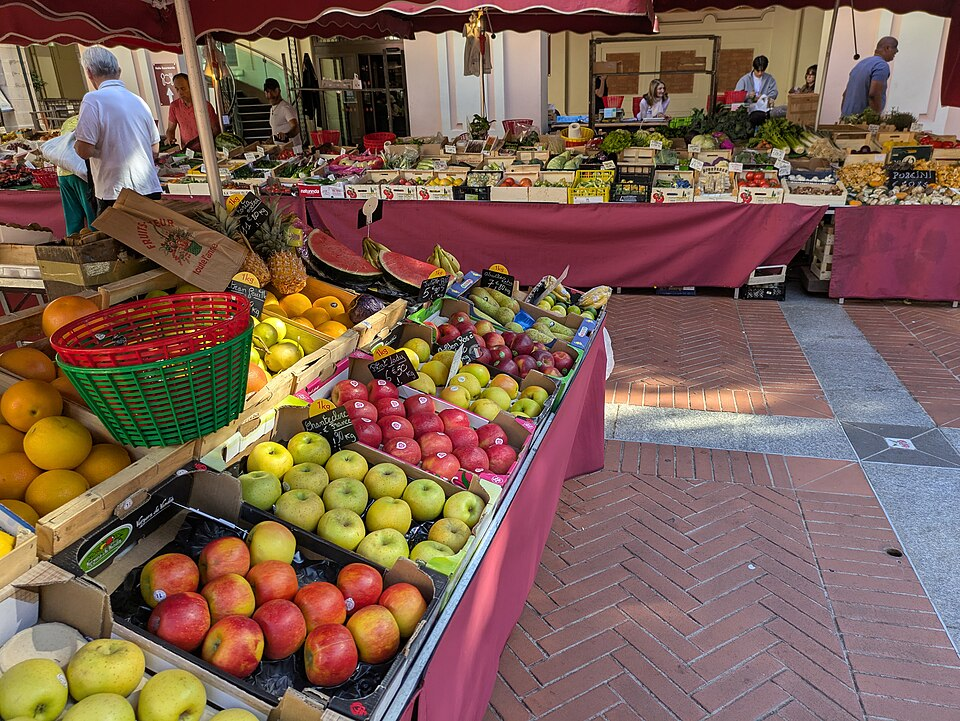
More recently, Monaco has experienced a renewed interest in traditional Monégasque cuisine. Efforts to preserve its Mediterranean heritage focus on local ingredients, olive-growing, agriculture, fresh markets, seafood, fruit and vegetables, wine, cheese, meat, and olive oil, helping maintain the culinary identity of the principality.
Common ingredients
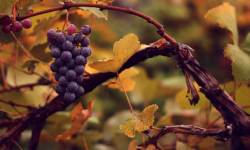
Fresh produce is central to Monégasque cuisine, with fruit often eaten fresh or incorporated into desserts. Common varieties include Menton citrus fruits, melons, cherries, apricots, grapes, figs, raspberries, bananas, strawberries and apples. Seasonal vegetables such as zucchini, eggplant, pumpkin, artichokes, tomatoes, fennel, beans, peppers and potatoes are widely used, sometimes served raw as crudités with garlic, olive oil and anchovy-based dips.
Because of Monaco’s Mediterranean coastal setting, fish and seafood generally play a greater role than meat. Typical catches include sea bass, tuna, red mullet, anchovies, monkfish and cod, together with octopus, squid, shrimps, mussels and sea urchins. Lamb is the main meat, commonly roasted with herbs, while beef is more often prepared in slow-cooked daubes. Game such as rabbit and wild boar was once more common but has declined with the reduction of hunting.
Other characteristic ingredients include almonds, chestnuts, walnuts, basil, saffron, garlic, anise, honey, eggs and orange blossom. Cheese is less prominent than in neighbouring France and Italy, although Banon goat cheese is sometimes used. Pasta, rice and olives are also important staples, with locally produced olives forming an essential part of the traditional Mediterranean diet.
Common dishes
Among the most characteristic preparations is barbagiuan, a fried pastry filled with ingredients such as zucchini, eggs, rice or pumpkin. Anchoiade, based on anchovies and olive oil, is another simple traditional preparation, while beignets de fleurs de courgette consist of courgette blossoms fried.
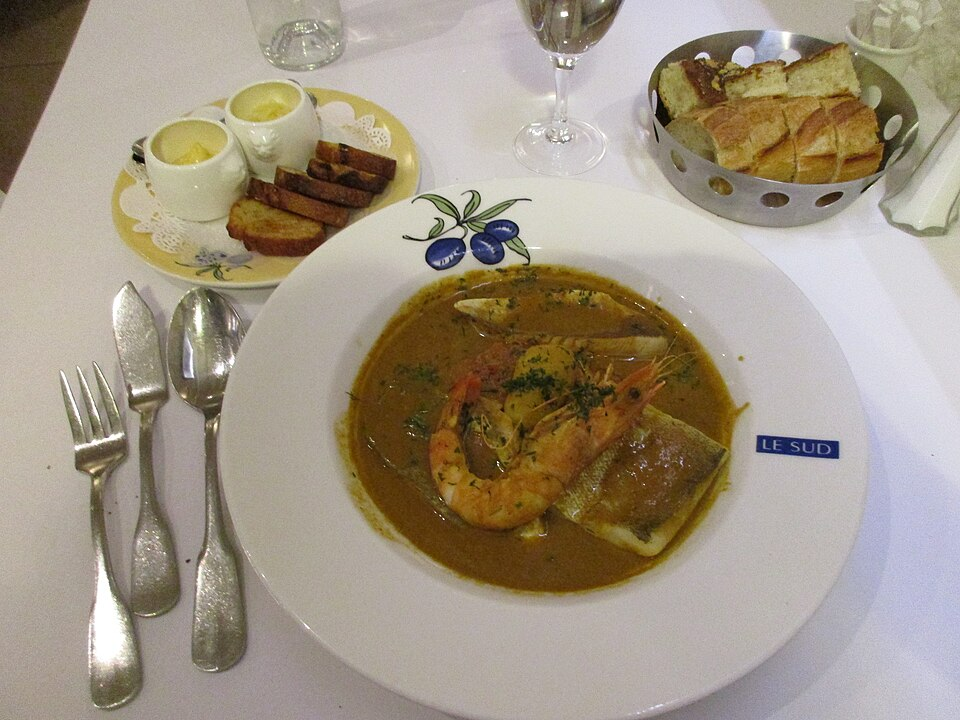
Fish and seafood are particularly important. Bouillabaisse is a well-known Riviera seafood stew prepared with several kinds of fish in a rich broth, while brandaminciun is a traditional salted-cod dish commonly associated with Christmas. Other seafood-based specialties include rougets à la Niçoise, featuring red mullet with olives, anchovies, capers and tomatoes, and soupe aux moules, a mussel soup with herbs and vermicelli. Stocafi, made with stockfish, tomatoes, white wine and cognac, is another traditional fish dish.
Vegetables and Mediterranean ingredients are central to several preparations. Pissaladière is an onion-based tart topped with olives and anchovies, while salade niçoise combines ingredients such as tuna, anchovies, olives and olive oil. Socca, made from chickpea flour and olive oil, and soupe au pistou, a vegetable soup enriched with basil and olive oil, also reflect the culinary traditions shared across the Riviera.
Pastries and desserts include fougasse, a sweet bread or biscuit flavored with ingredients such as orange, almonds, raisins, anise and apples. Tourte de blette is a pastry filled with Swiss chard, cheese, eggs, onions and sometimes rice, while pasqualina is a layered chard pie traditionally associated with Easter. Other sweets include tarte au citron, a buttery lemon tart, florentine biscuits with almonds, orange peel and chocolate, and wild strawberries served in red wine. During Christmas, U Pan de Natale is traditionally prepared as a round sweet bread decorated with walnuts and olive and orange branches.
Culinary traditions and customs
At home, breakfast is often simple and French-influenced, with fresh baguette, croissants or pain au chocolat, accompanied by coffee or freshly squeezed orange juice. Bread is traditionally bought from local bakeries and carried wrapped in paper to preserve its freshness. Lunch has historically been the principal meal, and on Fridays the traditional dernā features stocafi, a salted-cod dish. Fresh ingredients for home cooking can be purchased at Monaco’s open-air markets.
Eating out traditionally follows a multi-course structure. A meal may begin with soup or pâté, followed by an entrée such as fish or an omelette. The main course generally features lamb, beef or chicken, accompanied by vegetables, rice or potatoes. Depending on the restaurant, the meal may continue with salad, cheese and dessert, while coffee is often served separately.
Food plays an important role in religious celebrations and family gatherings. On St Blaise’s Day, dried figs are blessed and later used with apple, cloves and cinnamon to prepare a traditional infusion. Ash Wednesday is associated with chickpea soup, while Easter traditionally brings families together for roast kid and pasqualina, a chard pie; cannestreli are also prepared as seasonal pastries.
Christmas has some of the richest culinary customs. Before the family meal, the rite of the olive branch is traditionally performed, followed by dishes such as brandaminciun, cardoon with béchamel, apple fritters and fougasse. At the centre of the table, u pan de Natale remains until Epiphany, accompanied by the traditional thirteen desserts. Children may also receive mariote e gali, small doll-shaped pastries made from leftover fougasse dough.
Administrative and geo-cultural divisions of Monaco
Due to its extremely small territory, Monaco is not divided into distinct geocultural regions, as geographical and cultural differences within the principality are too limited to justify such subdivisions.
Administratively, however, the principality is divided into eight quartiers ordonnancés (wards) and two secteurs réservés (reserved sectors).
Quartiers ordonnancés (wards):
- Fontvieille
- Jardin Exotique
- La Condamine
- La Rousse
- Larvotto
- Les Moneghetti
- Monte-Carlo
Secteurs réservés (reserved sectors):
- Monaco-Ville
- Ravin de Sainte-Dévote
Traditional recipes of Monaco
(Only recipes unique to the area or strongly associated with it and rarely found elsewhere are included)
Traditional products of Monaco
(Only products unique to the area or strongly associated with it and rarely found elsewhere are included)
Recipes commonly prepared in Monaco
(Only products specific to this territorial level, and not already covered at a broader administrative or geocultural level, are included)
Products commonly consumed in Monaco
(Only recipes specific to this territorial level, and not already covered at a broader administrative or geocultural level, are included)


Source(s):
https://en.wikipedia.org/wiki/Monaco
Photo(s):
1. Map created with https://www.mapchart.net
2. I, Katonams, CC BY-SA 3.0 http://creativecommons.org/licenses/by-sa/3.0/, via Wikimedia Commons
3. Fruitpunchline, CC BY-SA 4.0 https://creativecommons.org/licenses/by-sa/4.0, via Wikimedia Commons
4. Mx. Granger, CC0, via Wikimedia Commons
5. Arnaud 25, CC BY-SA 4.0 https://creativecommons.org/licenses/by-sa/4.0, via Wikimedia Commons