Nome dell'autore: tastesoftheearth.contact@gmail.com

1. Various ruminants

Ruminants (Ruminantia)

Ruminants (Ruminantia) Suborder of artiodactyls Food, Animal source foods, Chordates (Chordata), Vertebrates (Vertebrata), Mammals (Mammalia), Therians (Theria), Placentals (Placentalia), Artiodactyls (Artiodactyla) Consumption area(s): Earth Introduction Ruminants are plant-eating artiodactyls distinguished by their ability to extract nutrients from vegetation through a unique process of stomach fermentation before actual digestion. This transformation of plant material relies heavily […]

Ruminants (Ruminantia) Leggi tutto »

Waldbison

Artiodactyls (Artiodactyla)

Artiodactyls (Artiodactyla) Order of placentals Food, Animal source foods, Chordates (Chordata), Vertebrates (Vertebrata), Mammals (Mammalia), Therians (Theria), Placentals (Placentalia) Consumption area(s): Earth Introduction Artiodactyls (Even-toe ungulates) are placental mammals characterized by bearing weight evenly on two of their five toes, usually the third and fourth, often hooved. The other toes may be reduced, absent, or

Artiodactyls (Artiodactyla) Leggi tutto »

Zebra

Placentals (Placentalia)

Placentals (Placentalia) Infraclass of therians Food, Animal source foods, Chordates (Chordata), Vertebrates (Vertebrata), Mammals (Mammalia), Therians (Theria) Consumption area(s): Earth Introduction Placentals constitute one of the three branches of the class Mammalia, alongside Monotremata and Marsupialia. This group encompasses the vast majority of living mammals, primarily recognized by the fact that their embryos develop extensively

Placentals (Placentalia) Leggi tutto »

Elks

Therians (Theria)

Therians (Theria) Subclass of mammals Food, Animal source foods, Chordates (Chordata), Vertebrates (Vertebrata), Mammals (Mammalia) Consumption area(s): Earth Introduction Therians are mammals that include both placentals and marsupials but exclude monotremes, the egg-laying mammals. Description of therians (Theria) Therians give birth to live young rather than laying eggs, with a placenta enabling maternal-offspring exchange, even

Therians (Theria) Leggi tutto »

Rabbit

Mammals (Mammalia)

Mammals (Mammalia) Class of vertebrates Food, Animal source foods, Chordates (Chordata), Vertebrates (Vertebrata) Consumption area(s): Earth Introduction Mammals are vertebrate animals defined by several distinctive traits: they possess mammary glands that produce milk to nourish their offspring, a developed neocortex in the brain, hair or fur, and three auditory ossicles in the middle ear. These

Mammals (Mammalia) Leggi tutto »

Vertebrates

Vertebrates (Vertebrata)

Vertebrates (Vertbrata) Subphylum of chordates Food, Animal source foods, Chordates (Chordata) Consumption area(s): Earth Introduction Vertebrates, also known as craniates, are animals characterized by the presence of a vertebral column and a cranium. The vertebral column encloses and protects the spinal cord, while the cranium safeguards the brain. Vertebrates comprises roughly 65,000 species, making it

Vertebrates (Vertebrata) Leggi tutto »

Pigs

Chordates (Chordata)

Chordates (Chordata) Phylum of animals Food, Animal source foods Consumption area(s): Earth Introduction Chordates (Chordata) are bilaterally symmetrical animals that belong to the phylum Chordata. They are set apart from other animal groups by the presence, at some stage of their development, of a suite of distinctive anatomical features. These include a notochord, which provides

Chordates (Chordata) Leggi tutto »

No image available

Cioncia 🇮🇹

Cioncia 🇮🇹 Original name: Cioncia Other names: / Nationality: Italy 🇮🇹 Consumption area(s): Pescia Introduction Cioncia is a traditional Italian dish from Pescia, in the heart of Tuscany, with roots deeply tied to the region’s leatherworking heritage. Originally born out of necessity and resourcefulness, it was made using veal snout, which is considered less valuable

Cioncia 🇮🇹 Leggi tutto »

Sugar

Sugar (sucrose)

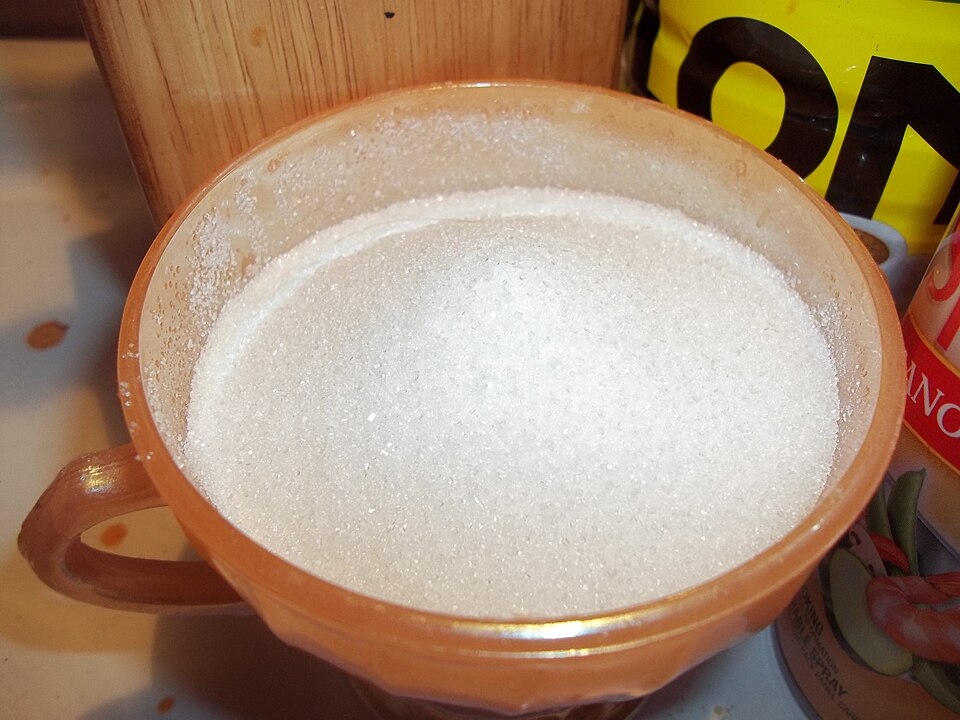
Sugar (Sucrose) Food, Plant source foods Consumption area(s): Earth Chemical formula: C₁₂H₂₂O₁₁ (commercially, it is not found in pure form but is always mixed with other components in varying proportions) Chemical/physical properties: Melting point: None — it decomposes at 186°CDensity: 1.5879 g/cm³Solubility in water: 2.01 g/mL (at 20°C) Introduction Sucrose is a disaccharide composed of

Sugar (sucrose) Leggi tutto »

yogurt

Yogurt

Yogurt Food, Animal source foods, Dairy products Consumption area(s): Earth Introduction Yogurt is a dairy product obtained through the bacterial fermentation of milk, during which specific microorganisms convert the milk sugars into lactic acid. This acid modifies the protein structure of the milk, giving yogurt its distinctively creamy texture and tangy flavor. Although cow’s milk

Yogurt Leggi tutto »