
Ranidae
Family of frogs (Anura)
Food, Animal source foods, Animals (Animalia), Chordates (Chordata), Vertebrates (Vertebrata), Amphibians (Amphibia), Frogs (Anura)
Consumption area(s): Earth
Introduction
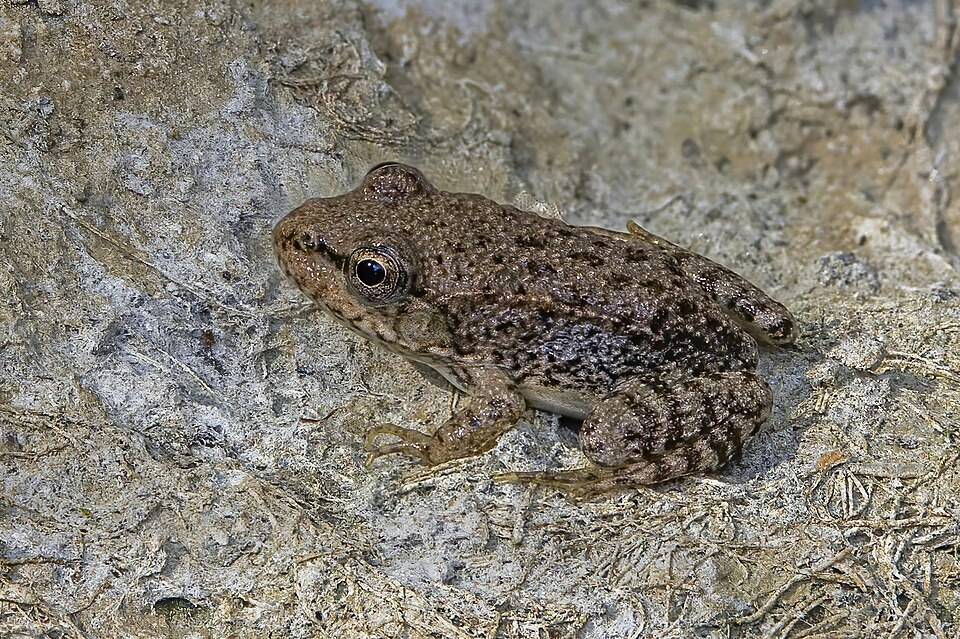
The Ranidae family, commonly referred to as “true frogs,” represents one of the most widely distributed groups of amphibians on the planet. These frogs inhabit nearly every continent, with the notable exception of Antarctica, and are especially prevalent across regions such as North America, Europe, Africa, and large portions of Asia. Their geographic range is remarkably extensive, even reaching parts of northern Australia, where a single species has successfully established itself.
Description of Ranidae
From a morphological standpoint, these frogs are generally characterized by smooth, moist skin, along with long and muscular hind limbs that enable efficient movement, particularly in aquatic environments. Their webbed feet further support strong swimming abilities. Despite sharing these common traits, species within this family display considerable variation in body size, spanning from relatively small frogs to significantly larger ones.
In terms of ecology, many members of this group are closely associated with water-based habitats, often residing in or near freshwater environments. Reproduction typically involves egg deposition in water, followed by a tadpole stage before reaching adulthood. However, ecological diversity within the family is notable: some species have adapted to arboreal lifestyles, while others demonstrate the unusual ability—rare among amphibians—to tolerate and survive in brackish water conditions.
Classification of Ranidae
This family is subdivided in genera. Among theme are:
- Amolops (torrent frogs)
- Babina (giant spiny frogs)
- Clinotarsus (marbled stream frog)
- Fejervarya (rice field frogs)
- Hoplobatrachus (tiger frogs, bullfrogs)
- Lithobates (American bullfrog, green frogs)
- Nanorana (high-altitude frogs, paa frogs)
- Odorrana (odorous frogs)
- Pelophylax (water frogs, European edible frogs)
- Quasipaa (spiny frogs)
Source(s):
https://en.wikipedia.org/wiki/Ranidae
Photo(s):
1. Charles J. Sharp, CC BY-SA 4.0 https://creativecommons.org/licenses/by-sa/4.0, via Wikimedia Commons