
Wet-cured hams
Food, Animal source foods, Preserved animal source products, Preserved pork products, Hams
Consumption area(s): (Presumably in the same countries where pork is consumed. Therefore, the countries that consumed more than 10 kg of pork per capita in 2022 are considered): Andorra 🇦🇩, Antigua and Barbuda 🇦🇬, Argentina 🇦🇷, Armenia 🇦🇲, Australia 🇦🇺, Austria 🇦🇹, Bahamas 🇧🇸, Barbados 🇧🇧, Belarus 🇧🇾, Belgium 🇧🇪, Belize 🇧🇿, Bolivia 🇧🇴, Bosnia and Herzegovina 🇧🇦, Brazil 🇧🇷, Bulgaria 🇧🇬, Canada 🇨🇦, Cape Verde 🇨🇻, Chile 🇨🇱, China 🇨🇳, Colombia 🇨🇴, Cyprus 🇨🇾, Costa Rica 🇨🇷, Croatia 🇭🇷, Cuba 🇨🇺, Czech Republic 🇨🇿, Denmark 🇩🇰, Dominica 🇩🇲, Dominican Republic 🇩🇴, Ecuador 🇪🇨, Estonia 🇪🇪, Finland 🇫🇮, France 🇫🇷, Georgia 🇬🇪, Germany 🇩🇪, Greece 🇬🇷, Grenada 🇬🇩, Hungary 🇭🇺, Iceland 🇮🇸, Ireland 🇮🇪, Italy 🇮🇹, Japan 🇯🇵, Kiribati 🇰🇮, Laos 🇱🇦, Latvia 🇱🇻, Liechtenstein 🇱🇮, Lithuania 🇱🇹, Luxembourg 🇱🇺, Malawi 🇲🇼, Marshall Islands 🇲🇭, Malta 🇲🇹, Mexico 🇲🇽, Micronesia 🇫🇲, Moldova 🇲🇩, Monaco 🇲🇨, Montenegro 🇲🇪, Nauru 🇳🇷, Netherlands 🇳🇱, New Zealand 🇳🇿, North Korea 🇰🇵, North Macedonia 🇲🇰, Norway 🇳🇴, Palau 🇵🇼, Panama 🇵🇦, Paraguay 🇵🇾, Philippines 🇵🇭, Poland 🇵🇱, Portugal 🇵🇹, Romania 🇷🇴, Russia 🇷🇺, Saint Kitts and Nevis 🇰🇳, Saint Lucia 🇱🇨, Saint Vincent and the Grenadines 🇻🇨, Samoa 🇼🇸, San Marino 🇸🇲, Serbia 🇷🇸, Seychelles 🇸🇨, Slovakia 🇸🇰, Slovenia 🇸🇮, South Korea 🇰🇷, Spain 🇪🇸, Sweden 🇸🇪, Switzerland 🇨🇭, Thailand 🇹🇭, Timor-Leste 🇹🇱, Tonga 🇹🇴, Tuvalu 🇹🇻, Ukraine 🇺🇦, United Kingdom 🇬🇧, United States of America 🇺🇸, Uruguay 🇺🇾, Vanuatu 🇻🇺, Vietnam 🇻🇳, Vatican City 🇻🇦
Introduction
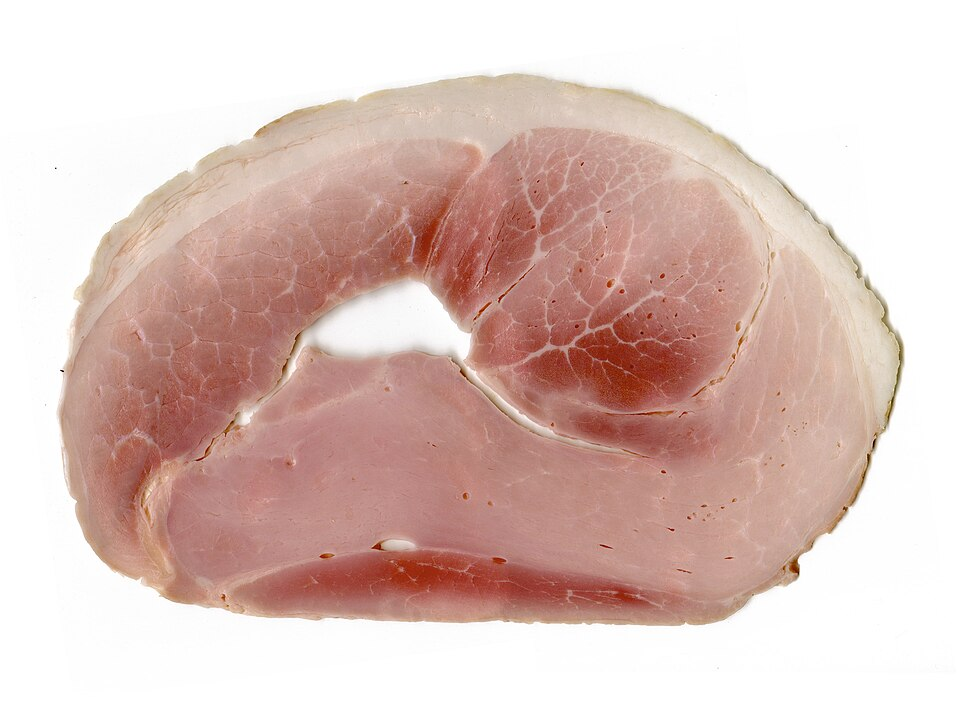
Wet-cured hams are pork products preserved through wet curing, a method in which the meat is treated with a salt-based brine. Unlike dry-cured hams, the curing solution surrounds or is introduced directly into the meat, allowing salt and other ingredients to penetrate the pork. Sugar and other flavouring ingredients may also be included depending on the product. Wet-cured hams are generally cooked during or after the curing process.
Production methods for wet-cured hams
The traditional method consists of immersing the pork leg in brine, usually for approximately 3–14 days. This process allows the curing solution to penetrate the meat and can increase the final product’s weight and volume by around 4%. A faster alternative is injection curing, in which the brine is pumped directly into the meat. This method generally takes only a few days and allows for a more uniform distribution of salt, while also increasing the weight of the finished product more substantially.
After curing, the ham is typically cooked, either as part of the production process or after a period of ageing. A well-known example is prosciutto cotto (cooked ham), an Italian wet-cured ham that is brined, cooked in a container and finally surface-pasteurised. Depending on the regulations and recipe, additional ingredients such as nitrites, sugar, spices, proteins, starches and flavourings may be used.
Classification of wet-cured hams
Hams are classified by production methods. Amog theme we can find:
Photo(s):
1. Rainer Zenz, CC BY-SA 3.0 http://creativecommons.org/licenses/by-sa/3.0/, via Wikimedia Commons