
Chickpea flour
Food, Plant source foods, Flours
Consumption area(s): Afghanistan 🇦🇫, Albania 🇦🇱, Algeria 🇩🇿, Armenia 🇦🇲, Australia 🇦🇺, Azerbaijan 🇦🇿, Bangladesh 🇧🇩, Bosnia and Herzegovina 🇧🇦, Bulgaria 🇧🇬, Cameroon 🇨🇲, Canada 🇨🇦, China 🇨🇳, Colombia 🇨🇴, Croatia 🇭🇷, Cyprus 🇨🇾, Czech Republic 🇨🇿, Egypt 🇪🇬, Ethiopia 🇪🇹, France 🇫🇷, Georgia 🇬🇪, Germany 🇩🇪, Greece 🇬🇷, India 🇮🇳, Indonesia 🇮🇩, Iran 🇮🇷, Iraq 🇮🇶, Italy 🇮🇹, Jordan 🇯🇴, Lebanon 🇱🇧, Libya 🇱🇾, Malaysia 🇲🇾, Malta 🇲🇹, Morocco 🇲🇦, Myanmar 🇲🇲, Nepal 🇳🇵, Netherlands 🇳🇱, Nigeria 🇳🇬, Pakistan 🇵🇰, Palestine 🇵🇸, Poland 🇵🇱, Portugal 🇵🇹, Romania 🇷🇴, Russia 🇷🇺, Saudi Arabia 🇸🇦, Senegal 🇸🇳, Serbia 🇷🇸, Slovenia 🇸🇮, Spain 🇪🇸, Sri Lanka 🇱🇰, Syria 🇸🇾, Tunisia 🇹🇳, Turkey 🇹🇷, Ukraine 🇺🇦, United Arab Emirates 🇦🇪, United Kingdom 🇬🇧, United States 🇺🇸, Vietnam 🇻🇳
Introduction
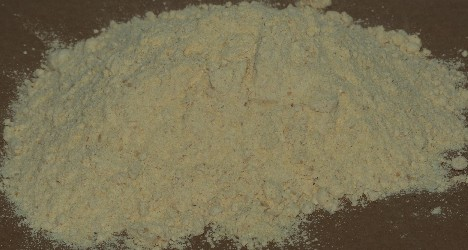
Chickpea flour is a finely milled product derived from grinding selected varieties of chickpeas. It is also commonly referred to as chana flour and represents a fundamental ingredient in the culinary traditions of the Indian subcontinent, including the cuisines of India, Bangladesh, Myanmar, Nepal, Pakistan, and Sri Lanka. It is widely used, for example, in the preparation of pakoras, where it functions as a batter or coating ingredient. Its use is also well established in parts of Southern Europe, Milddle East and North Africa.
From a nutritional standpoint, chickpea flour is characterized by a high content of proteins, carbohydrates, as well as vitamins and minerals. However, the level of dietary fiber present in whole chickpeas is significantly reduced during the milling process. The flour can be produced from either raw or roasted chickpeas: the roasted variant tends to have a more pronounced flavor profile, while the raw form is generally slightly more bitter.
Uses of chickpea flour
In the Indian state of Andhra Pradesh, it is incorporated into a traditional curry preparation featuring chickpea flour-based dumplings or cakes, locally referred to as senaga pindi kura. This dish is typically accompanied by chapati or puri and is especially popular as a winter breakfast food. Another widespread preparation is chilla (or chilla), a savory pancake made from chickpea flour batter, which is commonly consumed as street food throughout India.
In Southeast and East Asia, chickpea flour—known in Burmese as pe hmont—holds an established place in Myanmar cuisine. In its roasted form, it is frequently used as a seasoning component for salads, as well as a key structural ingredient in Burmese tofu. [6] Additionally, roasted chickpea flour serves as a thickening agent in several traditional noodle soups, including mohinga and ohn no khao swè. A further application appears in Yunnan cuisine, where it is used in the preparation of jidou liangfen, a dish closely resembling Burmese tofu salad.
Within Southern Europe, particularly along the Ligurian coastline, chickpea-derived flour made from garbanzo beans (a distinct variety closely related to Bengal gram) is used to produce a thin oven-baked pancake. This preparation appears across multiple culinary traditions under different names: farinata in Italy, fainâ in Genoa, calda in Carrara, and socca or cade in French cuisine. The same flour is also used in Sicilian cooking to prepare panelle, deep-fried fritters, as well as panisses, a similar preparation originating from France.
In Spanish cuisine, chickpea flour contributes to dishes such as tortillitas de camarones. Furthermore, in Cyprus and Greece, it is used as a garnishing element in koliva, a ceremonial dish associated with Orthodox funeral and memorial rites. In the regional cuisine of Antakya (Turkey), it also appears in preparations of hummus.
In North Africa, particularly in Algeria and eastern Morocco, chickpea flour is used to prepare a dish known as karantika. This consists of unroasted chickpea flour, typically baked with a beaten egg topping until set. The dish is also referred to as garantita or karantita, and its name is believed to derive from the Spanish term calentica, meaning “hot.”
Classification of chickpea flour
Chickpea flour is commonly distinguished based on whether the chickpeas are roasted before grinding or not. This results in two main types:
- Roasted chickpea flour
- Unroasted chickpea flour
Nutritional facts table
Please note that nutritional values may vary slightly depending on the chickpeas used.
| Nutrients | Per 100 g |
| Calories (kcal) | 374 |
| Total fat (g) | 6 |
| ———Saturated fat (g) | 1 |
| Cholesterol (mg) | 0 |
| Sodium (mg) | 7 |
| Total carbohydrates (g) | 58 |
| ———Dietary fiber (g) | 11 |
| ———Total sugar (g) | 11 |
| Protein (g) | 22 |
Source(s):
https://es.wikipedia.org/wiki/Harina_de_garbanzo
https://en.wikipedia.org/wiki/Gram_flour
Photo(s):
1. Vik17, CC BY-SA 3.0 https://creativecommons.org/licenses/by-sa/3.0, via Wikimedia Commons