Veal
Food, Animal source foods, Chordates (Chordata), Vertebrates (Vertebrata), Mammals (Mammalia), Therians (Theria), Placentals (Placentalia), Artiodactyls (Artiodactyla), Ruminants (Ruminantia), Bovids (Bovidae), Bovines (Bovinae), Bovini, Bos, Cattle
Species name: Bos Taurus
Consumption area(s): Earth, except for Africa and some tropical regions
Introduction
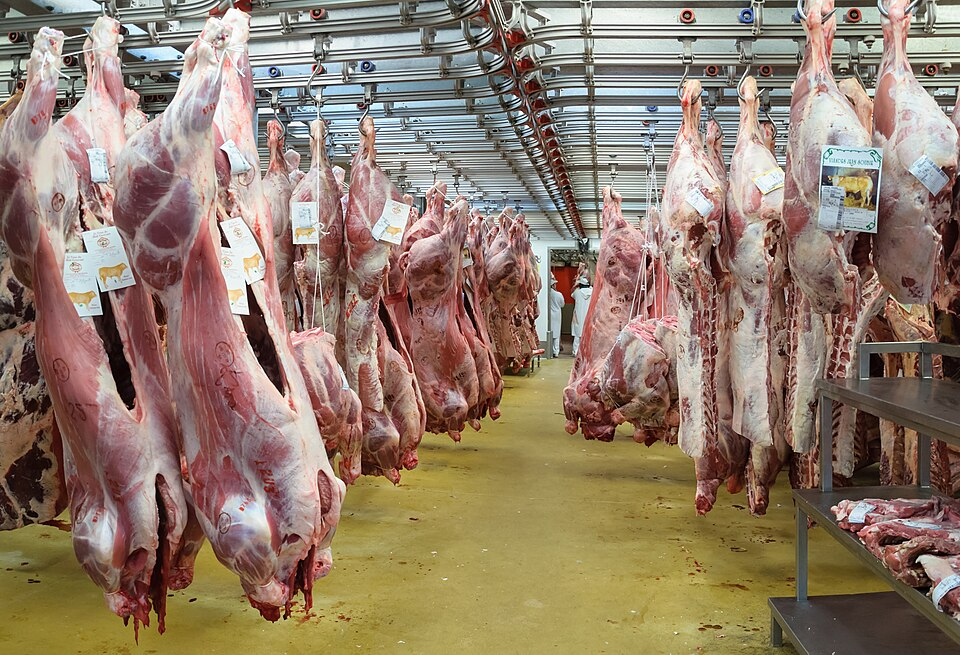
Veal refers to the flesh of young calves, unlike beef, which comes from mature cattle. It can be obtained from calves of any sex or breed, though the majority is sourced from young male dairy calves that are not intended for breeding purposes. Typically, veal commands a higher price per kilogram compared to beef from older animals. The production of veal serves as a method to increase the economic value of dairy bull calves and also makes use of whey solids, a byproduct generated during cheese production.
Description of veal
In Italian, French, and other Mediterranean culinary traditions, veal is regarded as a delicacy, often served as cutlets, like the Italian cotoletta or the well-known Austrian Wiener schnitzel. Classic French preparations include fried escalopes, veal grenadines (small, thick fillet steaks), stuffed paupiettes, roasted joints, and blanquettes. Because veal contains less fat than many other meats, careful cooking is needed to prevent it from becoming tough. It is commonly breaded for frying or served with a sauce. Veal parmigiana, featuring breaded cutlets, is a typical Italian-American dish.
Beyond the meat itself, calf bones are used to create stocks that serve as the base for sauces and soups, such as demi-glace. Calf stomachs provide rennet for cheese production, and calf offal is often considered the most valuable type of offal.
Production methods for veal
In Western production systems, male calves from dairy breeds are typically raised for meat, since they do not produce milk and therefore represent a surplus for the dairy industry. During the first few days of life, these calves are usually separated from their mothers within 72 hours, allowing them to enter the rearing system designed for their purpose.
Initially, calves are often kept in individual pens, a practice intended to provide health protection during the early stages of growth. After several weeks, they are moved to shared enclosures, where they are raised in groups of at least two, promoting a more natural and social environment.
The diet for veal calves is based on milk replacers, enriched with milk-derived proteins, as well as essential vitamins and minerals. This feeding regimen, similar to infant formula, is among the most common in veal production farms. In some cases, calves are gradually introduced to a grain-based diet, starting with milk replacers for about six to eight weeks before transitioning to a diet high in corn.
The herd’s health is overseen by a specialized veterinarian, who establishes a health program to ensure the well-being of the animals. For optimal growth, calves require sufficient hydration, a balanced diet, and a safe, comfortable environment, all crucial for proper development.