
Still wines
Food, Plant source foods, Alcoholic beverages, Fermented alcoholic beverages, Wines, Ordinary wines
Consumption area(s): We were unable to find reliable data on the distribution of this product, but it is likely available in all countries where wine is commonly consumed.
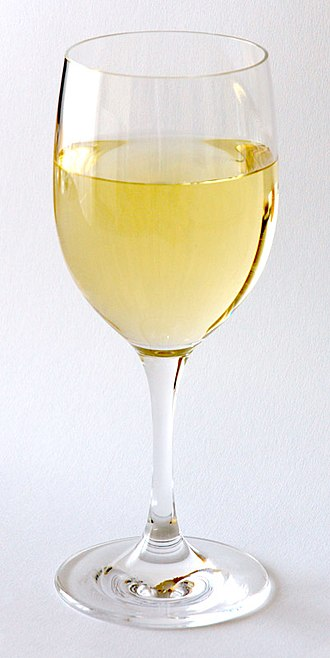
Introduction
Still wines represent the most common and widespread type ofwine. Unlike sparkling or semi-sparkling wines, still wines do not contain dissolved carbon dioxide, which means they lack bubbles. Their main characteristic is the stability of their content, both in terms of flavour and structure, and they are valued for their long shelf life. Still wines can be produced from a variety of grape types and originate from different wine regions, each imparting distinct organoleptic properties to the final product.
Production methods for still wines
The production method of still wines is primarily distinguished by the fact that, during fermentation, carbon dioxide is neither introduced nor retained in the wine. Carbon dioxide is what creates bubbles in semi-sparkling wines, which undergo a secondary fermentation in the bottle or in an autoclave to generate effervescence. In still wines, however, the carbon dioxide produced during fermentation is allowed to escape or is dissolved, meaning the wine does not develop bubbles and remains non-effervescent.
During the production of a still wine, alcoholic fermentation occurs only once. The natural or selected yeasts present in the must (grape juice) convert the sugars in the grapes into alcohol. This process can last from a few days to several weeks, depending on the conditions, but unlike semi-sparkling wines, there is no additional fermentation step to produce carbonation.
Classifciation of still wines
Regardless of colore and other variables, red wines, like wines of other colours, cannot be classified according to a single criterion. Instead, there are three main classification approaches.
Geographic region of production (for wines originating from a specific production area):
- Aglianico del Vulture DOC
- Barbera d’Alba DOC
- Bolgheri Rosso DOC
- Castelli di Jesi Verdicchio Riserva DOCG
- Dolcetto di Diano d’Alba DOCG
- Etna Bianco DOC
- Fiano di Avellino DOCG
- Greco di Tufo DOCG
- Lugana DOC
- Morellino di Scansano DOCG
- Nero d’Avola Sicilia DOC
- Offida Pecorino DOCG
- Piave Malanotte DOCG
- Roero Arneis DOCG
- Sangiovese di Romagna DOC
- Torgiano Rosso Riserva DOCG
- Verdicchio di Matelica Riserva DOCG
Grape variety (based on the grape variety present in the highest proportion, regardless of the geographic origin):
- Aglianico
- Barbera
- Cabernet Franc
- Cabernet Sauvignon
- Cannonau
- Carricante
- Chardonnay
- Cortese
- Dolcetto
- Fiano
- Garganega
- Greco
- Malvasia Bianca
- Montepulciano
- Nebbiolo
- Nero d’Avola
- Pecorino
- Pinot Bianco
- Pinot Grigio
- Primitivo
- Sangiovese
- Syrah
- Trebbiano Toscano
- Verdicchio
- Vermentino
Producer/Brand (classification based on the producing entity, regardless of grape varieties or geographic origin):
- Tavernello
Nutritional facts table
Please note that nutritional values may slightly vary depending on the type of wine. Here, the values for Chianti Classico DOCG wine are reported.
| Nutrients | Per 100 g |
| Calories (kcal) | 81 |
| Total fat (g) | 0 |
| ———Saturated fat (g) | 0 |
| Cholesterol (mg) | 0 |
| Sodium (mg) | 0 |
| Total carbohydrates (g) | 1 |
| ———Dietary fiber (g) | 0 |
| ———Total sugar (g) | 0.6 |
| Protein (g) | 0 |
Recipes that use this product as an ingredient:

Photo(s):
1. André Karwath aka Aka, CC BY-SA 2.5 https://creativecommons.org/licenses/by-sa/2.5, via Wikimedia Commons