
Ruminants (Ruminantia)
Suborder of artiodactyls
Food, Animal source foods, Chordates (Chordata), Vertebrates (Vertebrata), Mammals (Mammalia), Therians (Theria), Placentals (Placentalia), Artiodactyls (Artiodactyla)
Consumption area(s): Earth
Introduction
Ruminants are plant-eating artiodactyls distinguished by their ability to extract nutrients from vegetation through a unique process of stomach fermentation before actual digestion. This transformation of plant material relies heavily on microbial activity and occurs in the anterior part of their digestive system.
During this process, the partially fermented food, called cud, is regurgitated and chewed again to further break down fibers and enhance nutrient absorption. This repetitive chewing, which aids in digestion, is termed rumination.
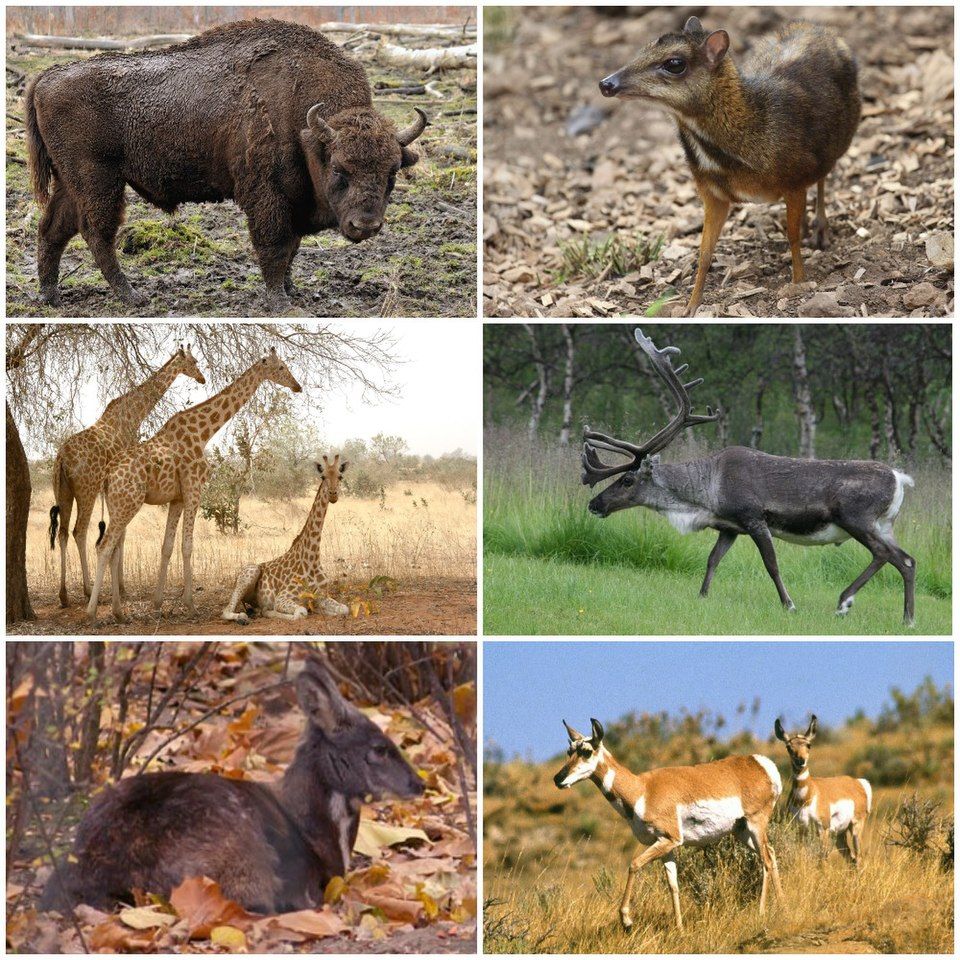
There are approximately 200 ruminant species. Typical ruminants include all varieties of bovines, goats, sheep, giraffes, deer, gazelles, and antelopes, each relying on this specialized digestive strategy to thrive on plant-based diets.
Description of ruminants (Ruminantia)
Ruminants are primarily recognized for their highly specialized digestive system, which features a four-chambered stomach. The first chamber, the rumen, serves as the main site of fermentation, while the reticulum provides structural support. The omasum regulates the flow of material into the abomasum, where digestion occurs in a manner similar to animals with a single-chambered stomach. Together, the rumen and reticulum form a fermentation zone where microorganisms break down plant matter and convert it into volatile fatty acids, which serve as a vital energy source.
Ruminants also possess several physiological adaptations that help them survive in the wild. One key feature is their continuously growing teeth, which counteract the abrasion caused by the silica content in grasses. Unlike non-ruminants, whose teeth stop growing after a certain age, ruminant teeth keep developing throughout life.
Another notable adaptation is their large rumen storage capacity, which enables them to ingest food rapidly and complete the chewing process later. This behavior, known as rumination, involves regurgitating, re-chewing, mixing with saliva, and swallowing the food again. Rumination reduces particle size, enhancing microbial fermentation and allowing the digested material to move more easily through the digestive tract.
Classification of ruminants (Ruminantia)
Ruminants are classified according to family. Among these, we find:
- Antilocapridae (pronghorns)
- Bovids (Bovidae) (antelopes, buffaloes, cattle, goats)
- Chevrotains (Tragulina) (chevrotains)
- Deers (Cervidae) (deer, roe deer)
- Giraffidae (giraffes)
- Moschidae (musk deer)
Source(s):
https://en.wikipedia.org/wiki/Ruminant
Photo(s):
1. Michael Gäbler, Public domain, via Wikimedia Commons