
Poales
Order of monocots
Food, Plant source foods, Plants (Plantae), Flowering plats (angiospermae), Mesangiosperms, Monocots
Consumption area(s): Earth
Note: For better understanding, please read the article on flowering plants (angiospermae) first. If you come across unfamiliar words, you can click on any highlighted term to open the glossary with definitions of key botanical terms.
Introduction
The Poales represent an extensive order of flowering plants within the group of monocotyledons. This classification brings together a wide range of plant types that share structural and evolutionary traits. Among the organisms included in this order are well-known groups such as grasses (Poaceae), bromeliads (Bromeliaceae), rushes (Juncaceae), and sedges (Cyperaceae), all of which play significant ecological and economic roles across different environments. According to current botanical classification, scientists recognize fourteen distinct families as belonging to the Poales, reflecting the diversity and complexity contained within this plant order.
Description of Poales
The flowers in this group are generally small and surrounded by protective bracts, typically organized into inflorescences. An exception occurs in certain species of the genus Mayaca, where the structures are extremely reduced and consist of single-flower inflorescences. In many cases, these plants rely on wind pollination, rather than animal vectors, for reproduction. Their seeds commonly store energy in the form of starch, which supports early stages of growth.
Uses of Poales
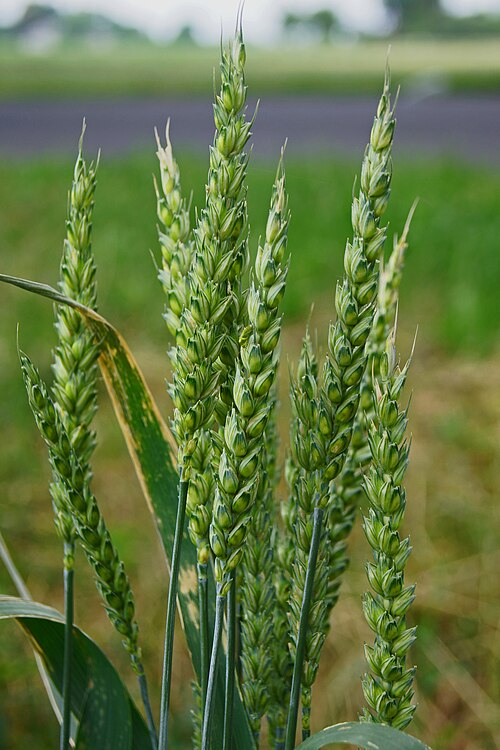
From a human perspective, the Poales rank among the most significant groups of plants, not only within monocotyledons but across the plant kingdom as a whole. Their importance is especially evident in agriculture and food production, where they provide essential resources on a global scale. A central role is played by the Poaceae family, commonly known as grasses, which underpins much of the world’s food supply. Key cereal crops such as rice, wheat, maize, barley, and millet all originate from this group. In addition, it includes plants like bamboo, valued for its strong structural properties, and species used for aromatic or industrial purposes, such as lemongrass and sugarcane.
Other families within the Poales also contribute in more specialized ways. Many bromeliads are cultivated for ornamental use, while the pineapple is extensively grown in tropical regions as a commercial fruit. Certain species, including chufa (Cyperus esculentus) and the water chestnut (Eleocharis dulcis), are still farmed in specific areas for their starch-rich tubers, which remain valuable as a food resource.
Classification of Poales
This order is further divided into several families, including:
- Bromeliaceae (pineapple)
- Cyperaceae (chufa or tiger nut, Chinese water chestnut)
- Grasses (or Poaceae, cereals) (bamboo, barley, lemongrass, maize, millet, rice, sugarcane, wheat)
- Typhaceae (cattails)
- Xyridaceae (Xyris indica)
Photo(s):
1. Kudak, CC BY-SA 4.0 https://creativecommons.org/licenses/by-sa/4.0, via Wikimedia Commons