
Ordinary wines
Food, Plant source foods, Alcoholic beverages, Fermented alcoholic beverages, Wines
Consumption area(s): We were unable to find reliable data on the distribution of this product, but it is likely available in all countries where wine is commonly consumed.
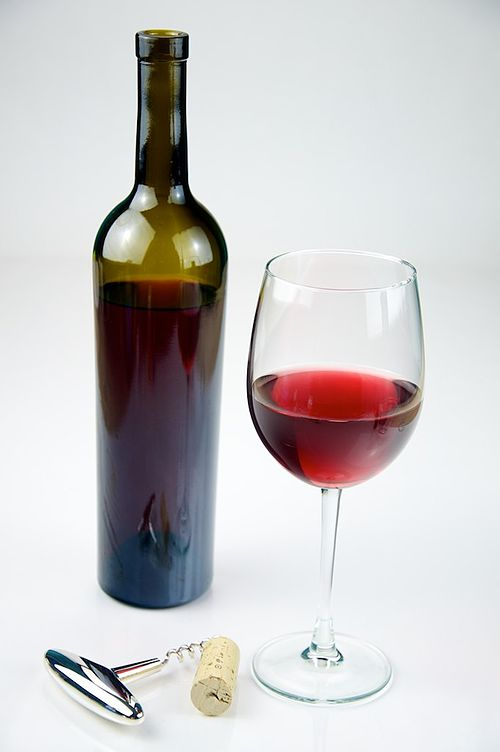
Introduciton
Ordinary wines are those released for consumption directly after the winemaking process, without undergoing further treatments or the addition of external components. These wines are characterized by their simplicity, as they are not subject to technical interventions that alter their natural characteristics, such as the addition of flavors or other processes that modify the taste of the product. The production of ordinary wines focuses primarily on preserving the typical traits of the grape used, resulting in beverages with a genuine and immediate flavor, suitable for everyday consumption.
History of ordinary wines
Since historically most wines produced have been of this type, reference is made here to the general history of wine as described on the dedicated page.
Classification of ordinary wines
Ordinary wines can be classified according to several overlapping criteria. These include:
Color:
- Orange wines
- White wines
- Rosé wines
- Red wines
Effervescence:
- Semi-sparkling wines
- Still wines
Aging method:
- Barrel-aged wines
Raw material (excluding fresh grapes):
- Passito wines
Winemaking technique:
- Young wines (novelli)
The color and effervescence categories are comprehensive, as every wine falls into one of these groups. Each wine has a color (orange, white, rosé, red) and an effervescence characteristic (still or sparkling). The other categories (such as passito or barrel-aged wines) refer to production methods or specific characteristics and do not apply to all wines.
In theory, it would be possible to distinguish wines that belong to these categories from those that do not, but creating a category like “non-passito” or “non-barrel-aged” would have little practical value. Therefore, these categories are left open, and if a certain feature is not declared, it is simply absent. For example, if a wine is not labeled as passito, it is assumed not to be, without the need to explicitly state “non-passito“.
In recipes, usually only the color is indicated, as the effervescence is implicit: if “semi-sparkling” is not specified, the wine is assumed still. The other categories are implicit, as explained above. If the color is not specified, it is generally because the recipe refers to a specific wine that already implies a particular type, such as Nobile di Montepulciano, where the color is implicitly red.
Of course, these do not represent all possible categories for describing a wine, but they are limited to those usually indicated in a specific recipe or that allow for a practical classification without overcomplicating general understanding. On the dedicated page for each wine, it will be possible to explore more detailed classifications, situating each wine in many additional categories.
Nutritional facts table
Please note that nutritional values may slightly vary depending on the type of wine. Here, the values for Chianti Classico DOCG wine are reported.
| Nutrients | Per 100 g |
| Calories (kcal) | 81 |
| Total fat (g) | 0 |
| ———Saturated fat (g) | 0 |
| Cholesterol (mg) | 0 |
| Sodium (mg) | 0 |
| Total carbohydrates (g) | 1 |
| ———Dietary fiber (g) | 0 |
| ———Total sugar (g) | 0.6 |
| Protein (g) | 0 |
Photo(s):
1. Evan Swigart from Chicago, USA, CC BY 2.0 https://creativecommons.org/licenses/by/2.0, via Wikimedia Commons