
Mammals (Mammalia)
Class of vertebrates
Food, Animal source foods, Animals (Animalia), Chordates (Chordata), Vertebrates (Vertebrata)
Consumption area(s): Earth
Introduction
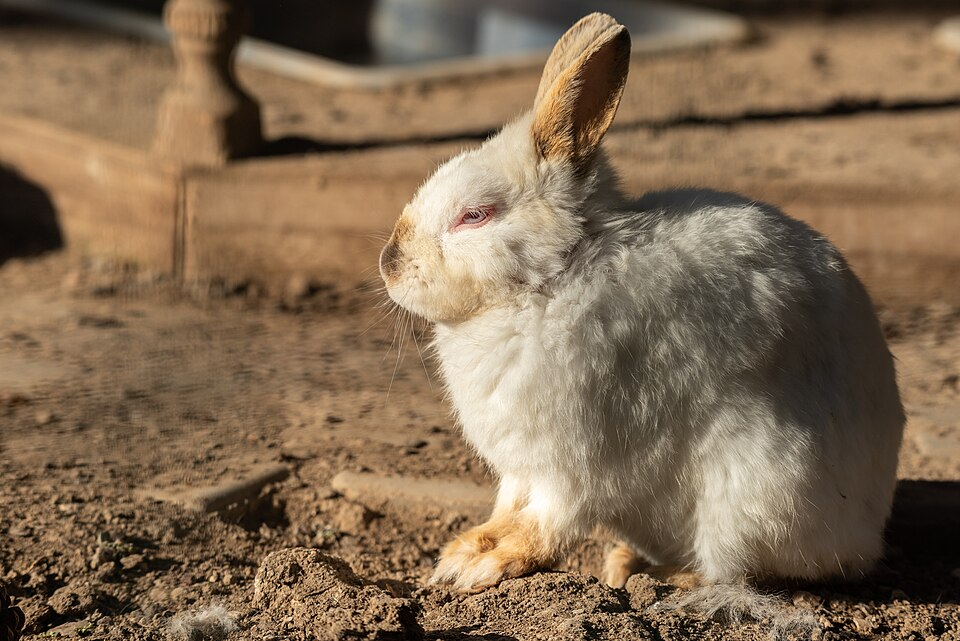
Mammals are vertebrate animals defined by several distinctive traits: they possess mammary glands that produce milk to nourish their offspring, a developed neocortex in the brain, hair or fur, and three auditory ossicles in the middle ear. These features set them apart from birds and reptiles, lineages from which they diverged during the Carboniferous Period, more than 300 million years ago. Today, roughly 6,600 living species are known, distributed across 27 different orders.
The typical mammalian structure is quadrupedal, relying on four limbs for movement on land. However, evolution has shaped their locomotion for various habitats: some species are adapted to aquatic environments, others to flight, arboreal life, or subterranean existence. Certain mammals have become bipeds, moving with their two hind limbs, while cetaceans and sirenians show only remnants of their hind limbs.
Their body size spans an extraordinary range—from the tiny bumblebee bat, barely a few centimetres long, to the immense blue whale, which may be the largest animal ever to exist. Lifespan also varies widely, from about two years in shrews to over two centuries in bowhead whales. Most mammals give birth to live young, yet the monotremes, a small primitive group, still lay eggs. Other mammals, which develop their embryos through a temporary organ called the placenta, represent the most species-rich and diverse clade.
In terms of behaviour and cognition, many mammals display remarkable intelligence. Several possess large brains, self-awareness, and even the ability to use tools. Their communication systems are complex and varied, with humans distinguished by the use of language. Social structures among mammals are equally diverse: they can form fusion–fission groups, harems, or dominance hierarchies, though some species remain solitary and territorial.
Description of mammals (Mammalia)
Living mammals are defined by sweat glands, including those that produce milk for offspring. Early mammals developed a new jaw joint between the dentary and squamosal, and a middle ear with three bones (malleus, incus, stapes) derived from jaw bones of ancestors. They show diphyodonty (teeth replaced once) or polyphyodonty (teeth grow continuously), with prismatic enamel on teeth. The skull has two occipital condyles for flexible head movement.
Circulatory system
The mammalian heart has four chambers: two atria (upper, receiving chambers) and two ventricles (lower, discharging chambers), separated by valves that prevent backflow. Oxygenated blood returns from the lungs to the left atrium via the pulmonary veins, flows mostly passively into the left ventricle, and is completed by atrial contraction. The heart itself receives oxygen and nutrients through coronary arteries.
Respiratory system
Mammalian lungs are spongy and honeycombed, and breathing relies mainly on the diaphragm, a dome-shaped muscle separating the thorax from the abdomen. When the diaphragm contracts, it flattens, expanding the lung cavity and drawing air in through the oral and nasal passages, larynx, trachea, and bronchi into the alveoli. Relaxation of the diaphragm reduces lung volume, pushing air out. The rib cage can alter the volume of the thoracic cavity with the help of additional respiratory muscles. This movement causes air to flow in and out of the lungs, following pressure differences. Lungs operating in this way are referred to as bellows lungs, named for their similarity to blacksmith’s bellows.
Integumentary system (skin)
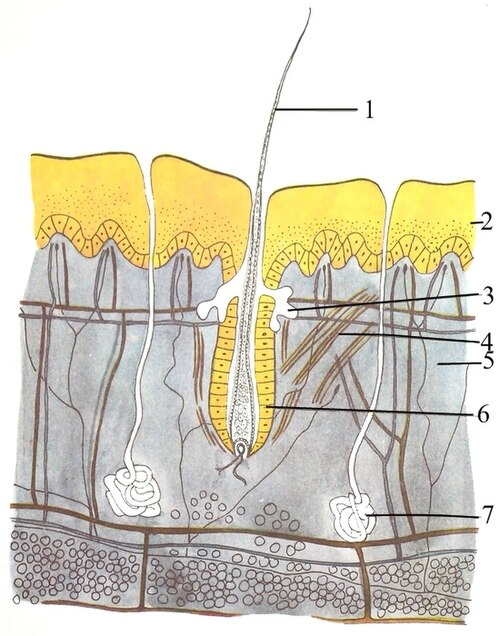
The mammalian skin consists of three layers: the epidermis, dermis, and hypodermis. The epidermis, 10–30 cells thick, forms a waterproof barrier, with cells constantly renewing from below. The dermis is 15–40 times thicker, containing blood vessels and supportive structures. The hypodermis is made of adipose tissue, storing fats and providing cushioning and insulation, with thickness varying by species. Hair is unique to mammals, a defining trait, though some species have very little.
Digestive system
Herbivorous mammals have evolved specialized teeth to process plant material according to their diet. Frugivores and leaf-eaters have low-crowned teeth for grinding soft foliage and seeds, while grazers that eat tough, silica-rich grasses have high-crowned teeth that resist wear. Most carnivores possess carnassial teeth, long canines, and typical tooth replacement patterns suited for a meat-based diet.
The digestive systems of herbivores are highly specialized. Ruminants have a four-chambered stomach — rumen, reticulum, omasum, and abomasum — where ingested plants are mixed with saliva, separated into cud and liquids, and regurgitated for further chewing and were some microbes in the rumen and reticulum breake down cellulose. Perissodactyls instead ferment plant material in an enlarged cecum after it leaves the stomach. Carnivores, by contrast, have a simple stomach for digesting meat, with a short or absent cecum and a large intestine that is neither sacculated nor much wider than the small intestine, reflecting their low-fiber diet.
Excretory and genitourinary systems
In mammals this system converts ammonia into urea via the liver in the urea cycle, and also eliminates bilirubin, giving feces their brown color. Most placentals lack a cloaca as adults, but in the embryo, it divides into regions forming the anus and other regions, differing by sex. Some mammals, like afrosoricids, certain shrews, and all monotremes, retain a cloaca; marsupials maintain a partial trace. In monotremes, urine flows directly into the cloaca, while in placentals it enters the bladder.
Fur
Mammalian fur primarily functions in thermoregulation, but also provides protection, sensory input, waterproofing, and camouflage. Different types of fur include definitive hair (shed at a certain length), vibrissae, pelage, spines, bristles, velli and wool. Insulation depends more on density than length; arctic mammals have dense fur for extreme cold, desert mammals use fur to block heat, and aquatic mammals trap air in their fur to conserve warmth.
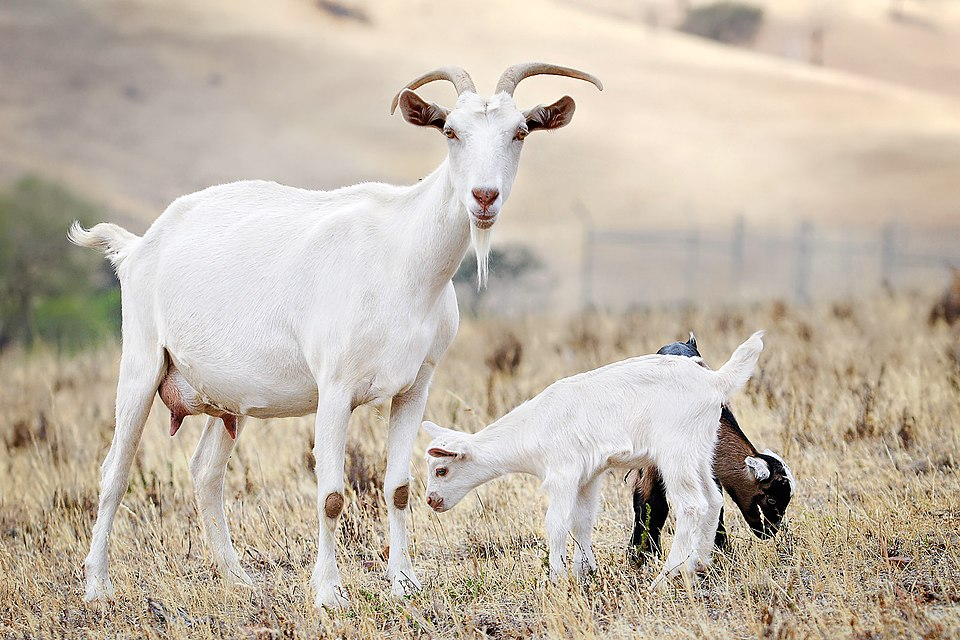
Coloration serves purposes such as camouflage, communication, and thermoregulation, largely determined by melanin: eumelanin for brown/black and pheomelanin for yellow/red tones. Some species exhibit unusual colors, like blue skin in certain monkeys or greenish fur in sloths due to symbiotic algae, enhancing camouflage. Seasonal color changes in arctic mammals (brown in summer, white in winter) help conceal them from predators or prey.
Other color adaptations include aposematism (warning signals) in skunks and honey badgers, and sexual dimorphism, where male and female fur differ to reflect nutrition or hormone levels, influencing mate choice. Fur color also affects heat absorption: darker fur warms more efficiently, while white fur in polar species reflects sunlight.
Reproductive system
Mammals reproduce through internal fertilization and are strictly gonochoric, meaning individuals are either male or female. Males have a penis for sperm delivery and urination. Erections occur via blood flow or muscular action, and testes are usually in a scrotum, posterior in most mammals but often anterior in marsupials. Females have a vulva externally, with internal oviducts, uterus(es), cervix(es), and a vagina, which varies across marsupials and monotremes.
The ancestral mammalian condition is birthing undeveloped young, either via vivipary or short-lived soft-shelled eggs. Most modern mammals are viviparous, while monotremes (platypus and echidnas) lay eggs. Viviparous mammals belong to the subclass Theria, including marsupials and placentals. Marsupials have short gestation, producing underdeveloped young that continue developing in a marsupium. Placentals give birth to well-developed young after long gestation, supported by a placenta.
Classification of mammals (Mammalia)
Mammals are primarily classified into subclasses. These are:
- Monotremes (Monotremata) (echidnas, platypuses)
- Therians (Theria) (cows, kangaroos, pigs, primates, rodents)
Source(s):
https://en.wikipedia.org/wiki/Mammal
Photo(s):
1. Горбунова М.С., CC BY-SA 4.0 https://creativecommons.org/licenses/by-sa/4.0, via Wikimedia Commons
2. Own work, Attribution, via Wikimedia Commons
3. fir0002 flagstaffotos [at] gmail.com Canon 20D + Canon 70-200mm f/2.8 L, GFDL 1.2 http://www.gnu.org/licenses/old-licenses/fdl-1.2.html, via Wikimedia Commons