
Fermented alcoholic beverages
Food, Plant source foods, Alcoholic beverages
Consumption area(s): It can be assumed that this product is distributed almost globally, with the exception of countries with a strong Muslim majority, where this type of food is not consumed for religious reasons.
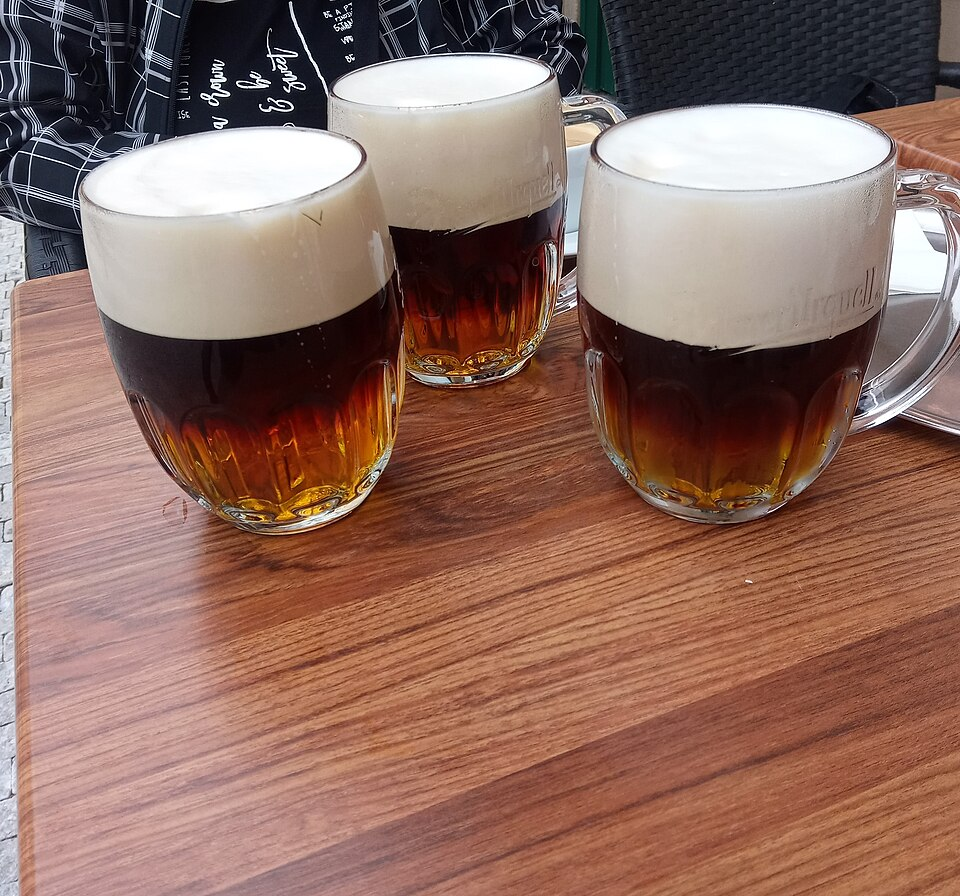
Introduction
Fermented alcoholic beverages are the result of a biological process that converts sugars into alcohol through the action of yeasts and bacteria. This process, which can occur in a wide range of raw materials such as grains, fruits, honey, and other sugar-rich substances, forms the foundation of the production of many of the most widely consumed alcoholic drinks worldwide. Fermentation not only produces alcohol, but also generates a variety of distinctive flavors and aromas, which depend on the types of sugars used, climatic conditions, the yeasts employed, and the fermentation techniques.
Description of fermented alcoholic beverages
One of the key features of these beverages is the diversity that can result from different fermentation processes. In some cases, fermentation occurs spontaneously, while in others it is controlled by specific selected yeasts that determine the aromatic profile and alcohol content of the final product. Temperature, fermentation duration, and the composition of the substrate or base ingredients strongly influence the organoleptic characteristics of fermented alcoholic beverages. This makes each product unique, not only in taste but also in its history and the tradition that accompanies it.
Beyond alcoholic fermentation, many of these beverages undergo secondary processes that alter their flavor, such as barrel aging or natural carbonation. These processes add further complexity to the final product, which can exhibit a wide range of textures and flavor nuances, from sweeter, fruitier notes to drier, more bitter ones. The sustainability of ingredients and production methods is becoming increasingly important, with growing interest in natural fermentation techniques and organic products, aimed at reducing environmental impact.
History of fermented alcoholic beverages
Fermented alcoholic beverages have a long and fascinating history, dating back thousands of years. The ability to metabolize alcohol likely existed even before humankind, as primates consumed fermenting fruits. The earliest archaeological evidence of alcoholic beverages dates to around 13,000 years ago, with the discovery of beer residues in a cave near Haifa, in present-day Israel. These residues suggest that beer was used in ritual ceremonies honoring the deceased.
Around 7000 BCE, in the Neolithic village of Jiahu, in Henan Province, China, vessels were found containing traces of a fermented beverage made from rice, honey, and fruit. This period coincides with the earliest barley beer and grape wine production in the Middle East. Additional evidence of alcoholic beverages comes from sites such as Hajji Firuz Tepe in Iran (5400–5000 BCE), ancient Egypt (c. 3150 BCE), Babylon (c. 3000 BCE), pre-Hispanic Mexico (c. 2000 BCE), and Sudan (c. 1500 BCE).
In ancient Mesopotamia, alcoholic beverages were an integral part of daily culture. The Sumerians, for example, consumed beer and wine, used both for nutritional and ritual purposes. There are records documenting the distribution of beer as part of the daily rations for workers.
In ancient China, alcohol production was widespread, with fermented rice used to create various alcoholic beverages. The Zhou and Han dynasties placed great importance on alcohol, both in ceremonial and social contexts.
In Europe, during the Middle Ages, beer was a daily drink consumed by all social classes. Nuns, for instance, received a daily beer ration, while wine was mainly reserved for the upper classes.
With the arrival of Europeans in the Americas in the 15th century, alcohol was introduced to indigenous populations. Pre-Columbian civilizations, such as the Aztecs and Inca, produced traditional alcoholic beverages like pulque and chicha, using local ingredients such as corn and cassava.
Classification of fermented alcoholic beverages
Fermented alcoholic beverages are primarily classified based on the plant source used for fermentation. They can thus be grouped into:
- Beers
- Ciders
- Meads
- Wines
Source(s):
https://en.wikipedia.org/wiki/History_of_alcoholic_beverages
Photo(s):
1. Shabicht, CC BY-SA 4.0 https://creativecommons.org/licenses/by-sa/4.0, via Wikimedia Commons