
Cucurbitaceae
Family of Cucurbitales
Food, Plant source foods, Plants (Plantae), Flowering plats (angiospermae), Mesangiosperms, Eudicots, Core eudicots, Superrosids, Rosids, Fabids (Eurosids I), Cucurbitales
Consumption area(s): Earth
Note: For better understanding, please read the article on flowering plants (angiospermae) first. If you come across unfamiliar words, you can click on any highlighted term to open the glossary with definitions of key botanical terms.
Introduction
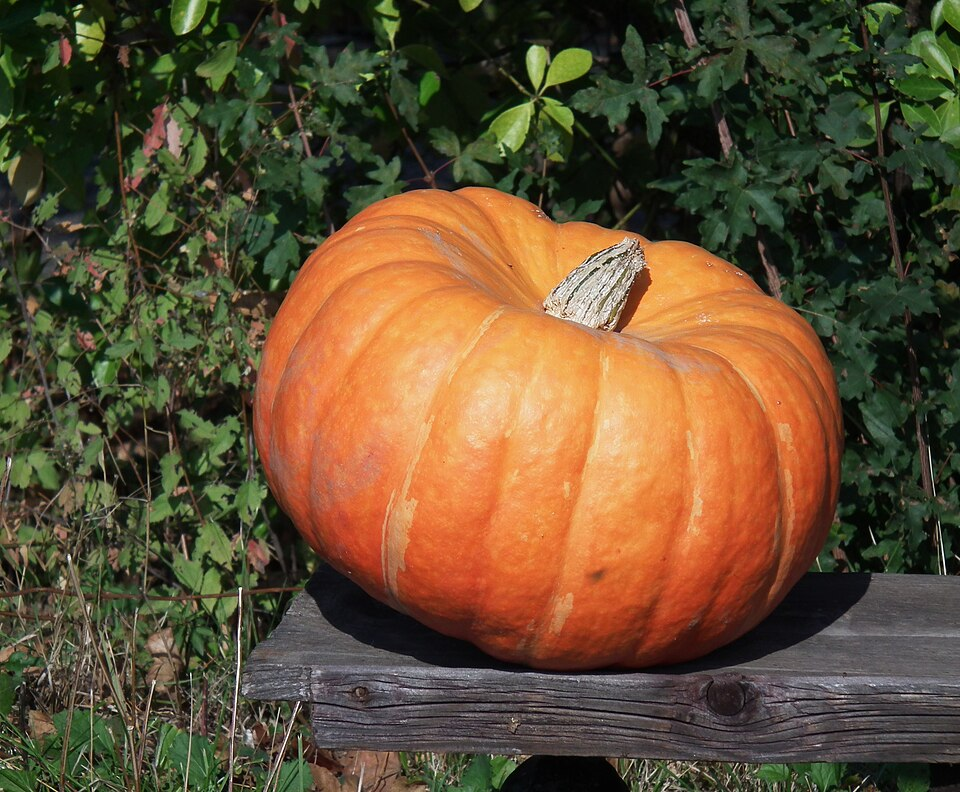
The Cucurbitaceae represent a significant family of angiosperms within the order Cucurbitales. Members of this plant family thrive in both tropical and temperate regions, and those producing edible fruits were among the earliest domesticated crops in both the Old and New Worlds. Due to their widespread cultivation and diversity, Cucurbitaceae ranks among the plant families with the largest number of species utilized as food by humans. Some of the most commonly recognized members include the zucchini, yellow pumpkin, Naples pumpkin, cucumber, watermelon, and melon, all of which continue to play a central role in diets worldwide.
Description of Cucurbitaceae
Most Cucurbitaceae species are herbaceous, either annual or perennial, though a few take the form of woody vines, shrubs, or even trees. The stems are often hairy and five-angled, while tendrils emerge at a 90° angle from the leaf petioles at the nodes, assisting in climbing. Leaves are alternate and palmately lobed, providing characteristic shapes across the family.
Flowers are typically yellow or white, gamopetalous and arranged in whorls of five. They are unisexual, appearing on monoecious plants or dioecious plants. Female flowers feature an inferior ovary.
The fruits, known as “pepoids,” are modified berries with a firm rind surrounding a fleshy interior containing numerous seeds. While all share the same basic structure, their size and weight vary dramatically. For example, a pumpkin can reach 200–220 lbs (90–100 kg), whereas a cucumber may weigh only 7–10 oz (200–300 g), illustrating the remarkable diversity within the family.
Classification of Cucurbitaceae
This family is in turn divided into genera. Among these we find:
- Cucurbita (pumpkins, zucchini/courgettes)
- Lagenaria (bottle gourds)
- Citrullus (watermelons)
- Cucumis (cucumbers, melons)
- Momordica (bitter melons)
- Luffa (luffa or sponge gourds)
- Cyclanthera (caiguas)
Photo(s):
1. 4028mdk09, CC BY-SA 3.0 https://creativecommons.org/licenses/by-sa/3.0, via Wikimedia Commons