
Cows
Food, Animal source foods, Animals (Animalia), Chordates (Chordata), Vertebrates (Vertebrata), Mammals (Mammalia), Therians (Theria), Placentals (Placentalia), Artiodactyls (Artiodactyla), Ruminants (Ruminantia), Bovids (Bovidae), Bovines (Bovinae), Bovini, Bos, Cattle
Species name: Bos Taurus
Consumption area(s): Earth, except for Africa and some tropical regions.
Introduction
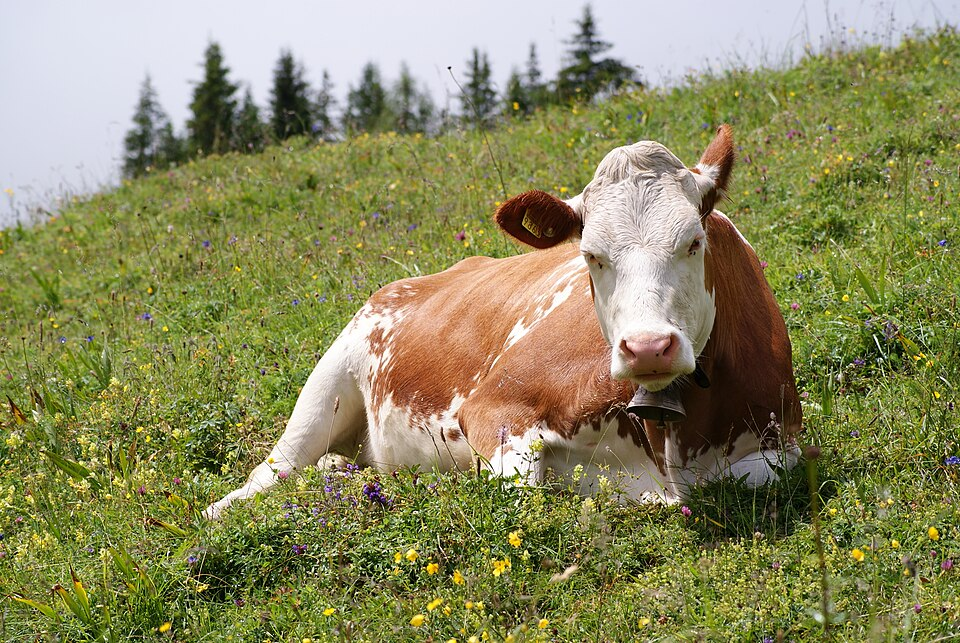
Cows are the adult female individuals of domestic cattle (Bos taurus). The term cow specifically refers to a sexually mature female that has usually produced at least one calf, distinguishing her from a heifer, which is a young female that has not yet calved. Cows are central to cattle production systems because they are the primary reproductive and milk-producing animals of the species.
Description of cow
Compared with males of the same breed, cows are generally smaller and lighter. For instance, adult Hereford cows typically weigh around 600–800 kg (1,320–1,760 lb), whereas males of the breed may exceed 1,000 kg. Despite this difference, cows remain robust animals with a large digestive capacity and strong metabolic demands due to pregnancy and milk production.
The reproductive of cows is a defining aspect of their role. Their gestation period lasts about nine months, similar to that of humans. Prior to giving birth, cows often seek secluded or quiet areas, a behavior that likely evolved to protect newborn calves from predators. After birth, the cow provides maternal care and milk, and the bond between mother and calf is typically strong during the first months of life.
The udder, located between the hind limbs, contains four mammary glands that produce milk for the calf. In modern farming, reproduction is frequently managed through artificial insemination, allowing breeders to select bulls with desirable genetic traits. Under natural conditions, however, mating is brief and usually involves a a single pelvic thrust.
Cows also display distinctive maternal and nursing behavior. Calves typically suckle several times per day, and during early development they maintain close proximity to their mother. In more natural or semi-wild systems, calves may remain with the cow for many months, reinforcing the strong maternal relationship characteristic of the species.
Cow beef
Unlike veal or young adult beef, cow beef develops a richer flavor and a firmer texture through years of muscle use. For cooks who value depth and character, cow beef offers a distinct, robust taste that rewards appropriate handling.
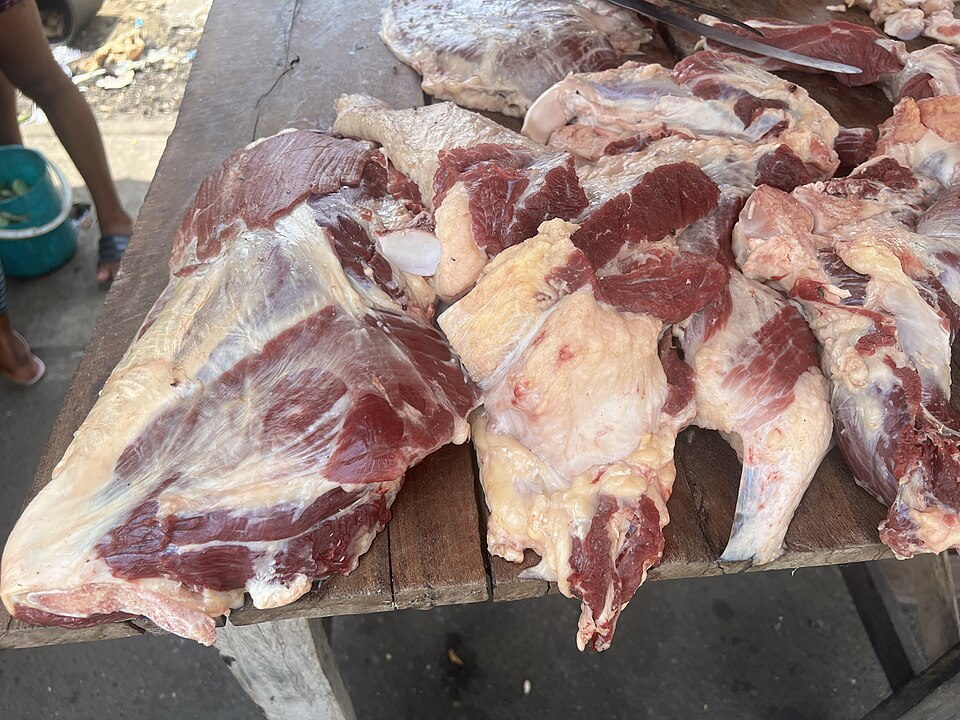
The muscle of cow beef contains more connective tissue and often a different fat distribution than younger beef. This means many traditional cuts perform best with low-and-slow cooking methods (braising, stewing, slow roasting) that break down collagen into gelatin and unlock deep, savory flavors. The meat is usually darker in color because of higher myoglobin levels.
Cow beef is prized for its versatility in hearty preparations. Long braises, pot roasts, and stews showcase the meat’s full-bodied profile, while coarsely ground cow beef adds flavor and weight to burgers and meat sauces.
Recipes that use this product as an ingredient:

Source(s):
https://en.wikipedia.org/wiki/Cattle
Photo(s):
1. Kim Hansen, CC BY-SA 3.0 https://creativecommons.org/licenses/by-sa/3.0, via Wikimedia Commons
2. Iwai-Dialax, CC BY 4.0 https://creativecommons.org/licenses/by/4.0, via Wikimedia Commons