
Cocoa powder
Food, Plant source foods, Cocoa-derived foods
Distribution (countries that consumed more than 0.5 kg of cocoa and cocoa-derived products per person in 2022): Albania 🇦🇱, Algeria 🇩🇿, Andorra 🇦🇩, Antigua and Barbuda 🇦🇬, Argentina 🇦🇷, Armenia 🇦🇲, Australia 🇦🇺, Austria 🇦🇹, Azerbaijan 🇦🇿, Bahamas 🇧🇸, Bahrain 🇧🇭, Barbados 🇧🇧, Belarus 🇧🇾, Belgium 🇧🇪, Belize 🇧🇿, Bolivia 🇧🇴, Bosnia and Herzegovina 🇧🇦, Brazil 🇧🇷, Brunei 🇧🇳, Bulgaria 🇧🇬, Canada 🇨🇦, Chile 🇨🇱, Colombia 🇨🇴, Congo 🇨🇬, Costa Rica 🇨🇷, Croatia 🇭🇷, Cyprus 🇨🇾, Czech Republic 🇨🇿, Denmark 🇩🇰, Djibouti 🇩🇯, Dominica 🇩🇲, Dominican Republic 🇩🇴, Egypt 🇪🇬, El Salvador 🇸🇻, Estonia 🇪🇪, Fiji 🇫🇯, Finland 🇫🇮, France 🇫🇷, Georgia 🇬🇪, Germany 🇩🇪, Greece 🇬🇷, Guatemala 🇬🇹, Guyana 🇬🇾, Hungary 🇭🇺, Iceland , Indonesia 🇮🇩, Iran 🇮🇷, Iraq 🇮🇶, Ireland 🇮🇪, Israel 🇮🇱, Italy 🇮🇹, Ivory Coast 🇨🇮, Jamaica 🇯🇲, Japan 🇯🇵, Jordan 🇯🇴, Kazakhstan 🇰🇿, Kuwait 🇰🇼, Kyrgyzstan 🇰🇬, Latvia 🇱🇻, Lebanon 🇱🇧, Libya 🇱🇾, Liechtenstein 🇱🇮, Lithuania 🇱🇹, Luxembourg 🇱🇺, Malta 🇲🇹, Marshall Islands 🇲🇭, Morocco 🇲🇦, Mauritius 🇲🇺, Moldova 🇲🇩, Monaco 🇲🇨, Mongolia 🇲🇳, Montenegro 🇲🇪, Namibia 🇳🇦, Nauru 🇳🇷, New Zealand 🇳🇿, Nicaragua 🇳🇮, North Korea 🇰🇵, North Macedonia 🇲🇰, Norway 🇳🇴, Oman 🇴🇲, Palestine 🇵🇸, Paraguay 🇵🇾, Peru 🇵🇪, Philippines 🇵🇭, Portugal 🇵🇹, Qatar 🇶🇦, Romania 🇷🇴, Russia 🇷🇺, Saint Vincent and the Grenadines 🇻🇨, Samoa 🇼🇸, San Marino 🇸🇲, São Tomé and Príncipe 🇸🇹, Saudi Arabia 🇸🇦, Serbia 🇷🇸, Singapore 🇸🇬, Slovakia 🇸🇰, Slovenia 🇸🇮, Solomon Islands 🇸🇧, South Korea 🇰🇷, Spain 🇪🇸, Suriname 🇸🇷, Sweden 🇸🇪, Switzerland 🇨🇭, Thailand 🇹🇭, Trinidad and Tobago 🇹🇹, Tunisia 🇹🇳, Türkiye 🇹🇷, Turkmenistan 🇹🇲, Ukraine 🇺🇦, United Arab Emirates 🇦🇪, United Kingdom 🇬🇧, United States of America 🇺🇸, Uruguay 🇺🇾, Uzbekistan 🇺🇿, Vatican City 🇻🇦, Venezuela 🇻🇪
Introduction
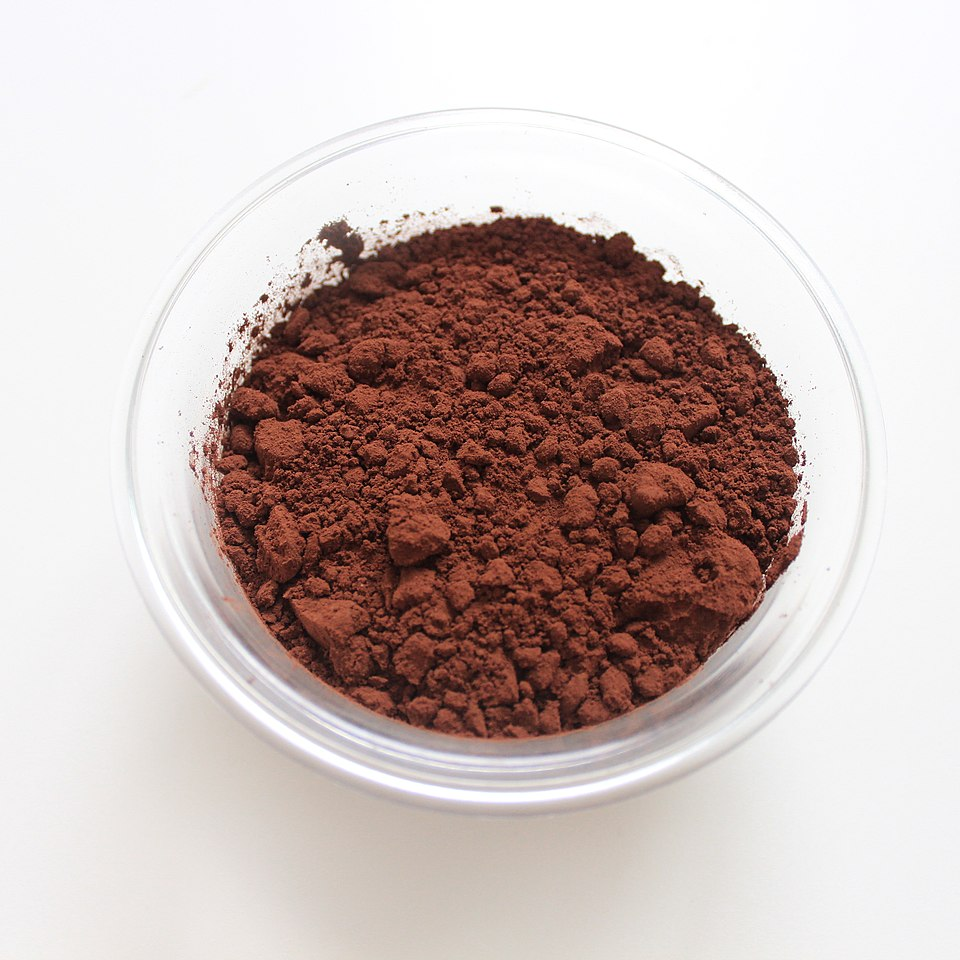
Cocoa powder is derived from the solid part of cocoa beans that remains after the cocoa butter—the lipid fraction extracted from chocolate liquor—has been removed. Chocolate liquor itself is obtained by grinding roasted cocoa beans into a smooth, fluid paste.
Description of cocoa powder
Cocoa butter accounts for a significant portion of the cocoa bean’s weight, ranging from 46% to 57%, and is responsible for chocolate’s characteristic ability to melt easily. When most of this fat is removed, what remains is the dry solid material, which is then ground into powder: this is how cocoa powder is produced, still containing small traces of cocoa butter.
In its natural form, it has a bitter taste and a certain level of acidity. To reduce acidity, the product is often treated with alkaline substances, producing so-called Dutch-processed cocoa, which has a smoother and less sharp flavour. Cocoa powder contains flavanols, beneficial compounds for human health, although their levels can decrease significantly during the alkalization process, which improves flavour but reduces some nutritional content.
Production methods for cocoa powder
Cocoa powder is the final result of a long process that begins with grinding shelled cocoa beans into a thick, creamy paste known as cocoa mass or chocolate liquor. This mass can be further processed into chocolate by adding cocoa butter, sugar, and sometimes vanilla and lecithin. Alternatively, the liquor can be separated into its two main components: cocoa butter and a solid fraction, from which cocoa powder is obtained. Two alternative methods are used for this process: the Broma process and the Dutch process.
Broma process
The Broma process is a traditional technique for extracting cocoa butter, developed thanks to the insight of a collaborator of Domingo Ghirardelli’s company. This method involves hanging bags of chocolate liquor in warm environments at temperatures above the melting point of cocoa butter. The heat slowly melts the fat naturally present in the cocoa beans, allowing it to drip out of the bags and be collected separately. The remaining solid material, now largely free of fat, is then dried and ground into cocoa powder, intended for food use or pastry applications.
Dutch Process
The foundations of this innovative method were laid by the Dutchman Casparus van Houten, who around 1828 introduced the use of a hydraulic press to separate cocoa butter from the mass, creating a lower-fat and more versatile powder. Later, his son Coenraad Johannes van Houten developed a technique for treating cocoa powder with alkalis, making it less bitter and more soluble. The combination of these two techniques became known as the Dutch process.
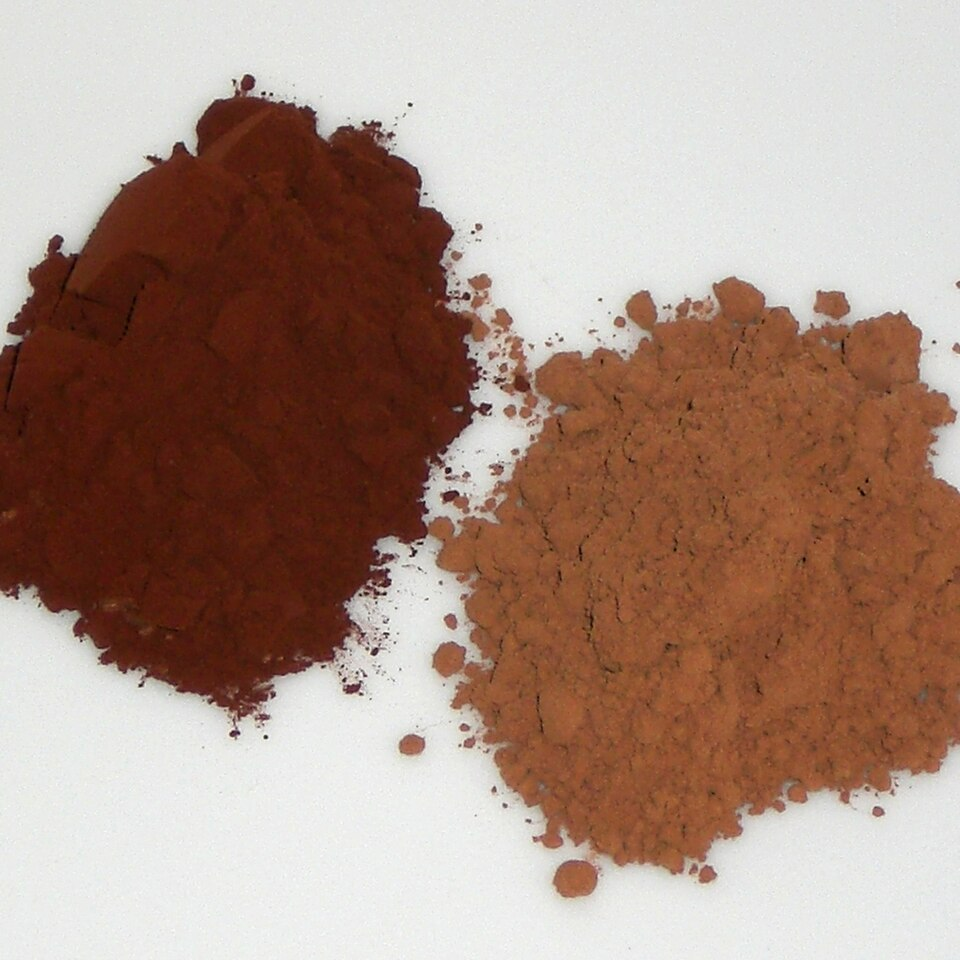
Cocoa treated this way has a darker colour than natural cocoa, and the degree of alkalization can be inferred from the depth of the brown tone: the darker it is, the higher the amount of alkali used. However, labels do not specify the exact quantity of alkalizing agents used. This process not only reduces acidity but also alters the chemical properties of cocoa powder.
Since Dutch-processed cocoa has a near-neutral pH, it does not react with sodium bicarbonate, which requires an acidic environment to act as a leavening agent. Therefore, when using baking soda in recipes, it is necessary to add an acidic ingredient such as cream of tartar or replace milk with buttermilk. On the other hand, when using baking powder, which already contains an acid component, no recipe adjustments are needed.
In addition, Dutch-processed cocoa contains significantly less caffeine, about one-third of that found in natural cocoa. This makes it particularly suitable for those wishing to reduce stimulant intake without sacrificing the deep, balanced flavour of chocolate.
Nutritional facts table
It should be noted that nutritional values may vary slightly depending on individual products.
| Nutrients | Per 100 g |
| Calories (kcal) | 229 |
| Total fat (g) | 13.7 |
| ———Saturated fat (g) | 8.07 |
| Cholesterol (mg) | 0 |
| Sodium (mg) | 21 |
| Total carbohydrates (g) | 54.3 |
| ———Dietary fiber (g) | 33.2 |
| ———Total sugar (g) | 1.75 |
| Protein (g) | 19.6 |
Recipes that use this product as an ingredient:

Source(s):
https://en.wikipedia.org/wiki/Cocoa_bean
https://en.wikipedia.org/wiki/Dutch_process_cocoa
https://en.wikipedia.org/wiki/Broma_process
https://en.wikipedia.org/wiki/Cocoa_solids
Photo(s):
1. thecakeschool, CC0, via Wikimedia Commons
2. F_A, CC BY 2.0 https://creativecommons.org/licenses/by/2.0, via Wikimedia Commons