
Gallus
Genus of Phasianidae
Food, Animal source foods, Animals (Animalia), Chordates (Chordata), Vertebrates (Vertebrata), Birds (Aves), Neognaths (Neognathae), Galliforms (Galliformes), Phasianidae
Consumption area(s): Earth
Introduction
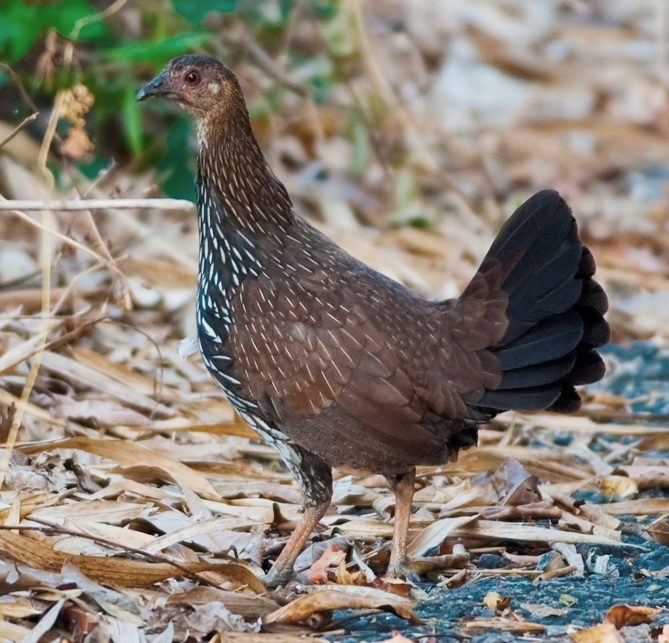
The genus Gallus comprises four living bird species within the order Galliformes. These birds are naturally found across regions of South and Southeast Asia, where they occupy diverse habitats. Among them, the Red junglefowl holds special significance, as it is recognized as the direct ancestor of the modern domestic chicken, although the Grey junglefowl, Sri Lankan junglefowl, and Green junglefowl may also have contributed genetically.
Description of Gallus
These birds are of medium size and exhibit pronounced sexual dimorphism, with males being larger than females and displaying far more vivid plumage, longer feathers, as well as prominent crests and wattles. Despite the striking colors, spotting these birds in their preferred dense vegetation is extremely challenging, regardless of sex. The male’s bright appearance serves primarily to attract as many females as possible for mating.
Egg and offspring care are handled exclusively by the female, even though the young are precocial and relatively independent soon after hatching. Their diet mainly consists of seeds and other plant materials, although insects are occasionally consumed, particularly by juveniles.
Classification of Gallus
This genus is divided in 4 species:
- Green junglefowls
- Grey junglefowls
- Gallus gallus (domestic chickens, red junglefowls)
- Sri Lankan junglefowls
Source(s):
https://it.wikipedia.org/wiki/Gallus
Photo(s):
1. Yathin S Krishnappa, CC BY-SA 3.0 https://creativecommons.org/licenses/by-sa/3.0, via Wikimedia Commons