
Apium
Genus of Apiaceae
Food, Plant source foods, Plants (Plantae), Flowering plats (angiospermae), Mesangiosperms, Eudicots, Core eudicots, Superastierds, Asterids, Campanulids (Euasterids II), Apiales, Apiaceae
Consumption area(s): Earth
Note: For better understanding, please read the article on flowering plants (angiospermae) first. If you come across unfamiliar words, you can click on any highlighted term to open the glossary with definitions of key botanical terms.
Introduction
Apium refers to a plant genus comprising twelve species within the Apiaceae family. What makes this group particularly distinctive is its strongly fragmented geographic range: a single species occurs in the temperate Northern Hemisphere, specifically across Europe, western Asia, and North Africa, while all remaining species are confined to the temperate regions of the Southern Hemisphere, including southern Africa, southern South America, Australia, and New Zealand.
Description of Apium
The plants belonging to this genus are herbaceous and show considerable variation in their life cycle, being annual, biennial, or perennial. Their growth form ranges from low-growing and spreading to moderately tall, with individuals reaching up to one meter in height. They are typically associated with wet environments, such as marshes and saline wetlands, where saturated soils are common. Morphologically, they possess pinnate or bipinnate foliage and produce small white flowers arranged in characteristic compound umbels.
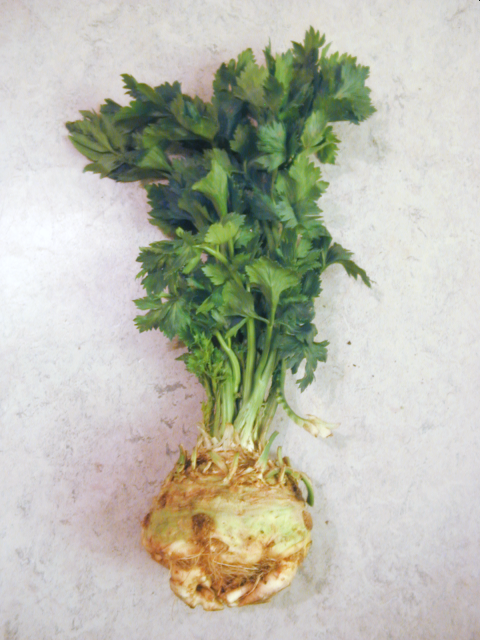
From a human perspective, several members of the genus have nutritional value. The most notable example is Apium graveolens, which represents the wild progenitor of several widely cultivated crops. This species gave rise to familiar vegetables such as celery, celeriac, and leaf celery, all of which hold significant importance in agriculture and cuisine.
Classification of Apium
This genus is subdivided according to species. Among these, we find:
- Apium graveolens (celery celeriac, leaf celery)
- Apium prostratum (sea celery)
Source(s):
https://en.wikipedia.org/wiki/Apium
Photo(s):
1. Emil at the Bulgarian language Wikipedia, CC BY-SA 3.0 http://creativecommons.org/licenses/by-sa/3.0/, via Wikimedia Commons