
Apiaceae (Umbelliferae)
Family of Apiales
Food, Plant source foods, Plants (Plantae), Flowering plats (angiospermae), Mesangiosperms, Eudicots, Core eudicots, Superastierds, Asterids, Campanulids (Euasterids II), Apiales
Consumption area(s): Earth
Note: For better understanding, please read the article on flowering plants (angiospermae) first. If you come across unfamiliar words, you can click on any highlighted term to open the glossary with definitions of key botanical terms.
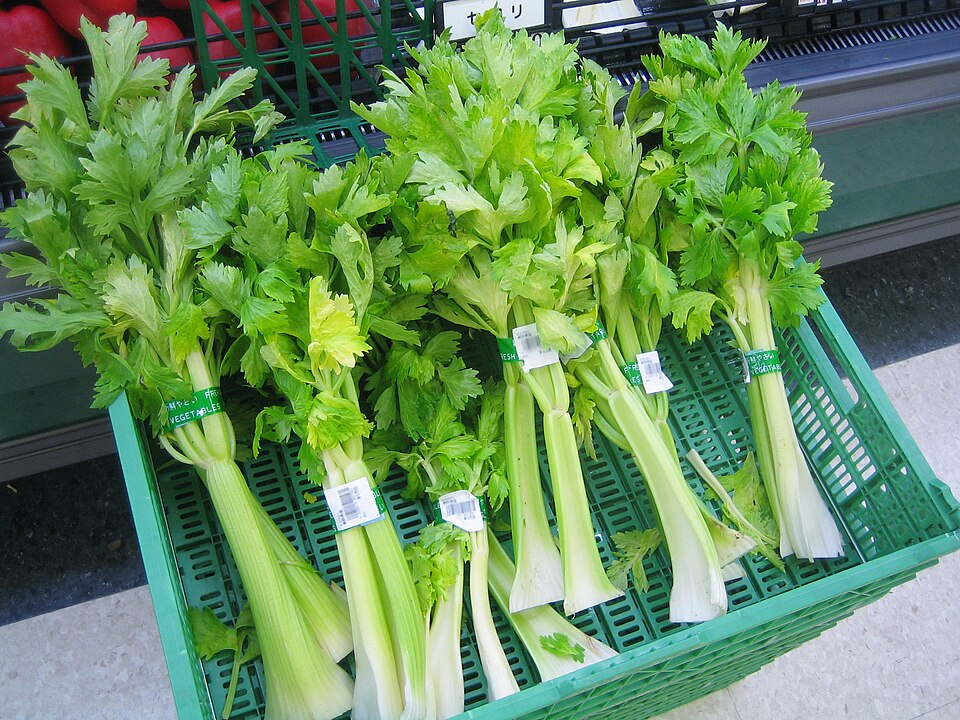
Introduction
The Apiaceae family, also referred to as Umbelliferae, is a broad assemblage of mostly aromatic flowering plants named after the genus Apium. It is commonly identified through familiar groups such as the celery, carrot, or parsley family, and its members are collectively known as umbellifers. From a botanical perspective, it represents one of the largest families of flowering plants, comprising several thousand species distributed among hundreds of genera.
Many of these plants play a central role in human diets, traditional medicine, and agricultural economies, including widely used vegetables, herbs, and spices. Despite its widespread utility, the Apiaceae family also includes species of notable toxicological importance. Numerous members are toxic, capable of inducing severe skin damage when their chemical compounds interact with sunlight. In addition, a smaller subset of species is extremely poisonous, with potentially fatal effects following ingestion or contact.
Description of Apiaceae
Most Apiaceae are herbaceous plants that live as annuals, biennials, or perennials, often with basal rosettes. Only a small fraction develops a woody habit, forming shrubs or small trees.
Leaf structure is extremely diverse: leaves are usually alternate, though upper ones may appear nearly opposite, and can be petiolate or sessile. Stipules are absent, but the petiole commonly forms a leaf base wrapping the stem. The blade is most often dissected, while a few genera retain simple, entire leaves. When crushed, leaves typically release a strong odor, ranging from pleasantly aromatic to unpleasant, although some species lack any noticeable scent.
The family is unmistakably characterized by its inflorescences, with flowers almost always arranged in terminal umbels. Individual flowers are generally hermaphroditic and radially symmetrical, but flowers at the margin of the umbel may be bilaterally symmetrical, as in carrots, where the outer petals are enlarged.
Reproductive organization varies widely and may include andromonoecious, polygamomonoecious, or dioecious systems. Although both calyx and corolla are present, the calyx is often extremely reduced or barely visible. Corolla colors range from white and yellow to pink and purple, and the flowers typically follow a pentamerous plan with five petals and five stamens.
Even within a single umbel, flowers may differ in function. Some act as functionally male, with sterile pistils, while others are functionally female, bearing non-viable stamens and the transfer of pollen between flowers of the same plant, is common. The gynoecium consists of two fused carpels, forming two-carpels pistil with an inferior ovary. At the top of the ovary, stylopodia support the styles and secrete nectar, which attracts a broad array of insect pollinators.
The fruit is a schizocarp that splits at maturity into two mericarps, each enclosing a single seed. Dispersal strategies vary: some fruits are adapted to wind transport, while others bear structures that cling to animals. Seeds possess an oily endosperm and often contain essential oils, responsible for the intense flavors and aromas of many economically important spices.
Classification of Apiaceae
This family is in turn divided into genera. Among these are:
- Anethum (dill)
- Apium (celery, sea celery)
- Carum (caraway)
- Coriandrum (coriander)
- Daucus (carrot), which includes a single edible subspecies, Daucus carota subsp. sativus
- Foeniculum (fennel)
- Petroselinum (parsley, corn parsley)
- Pimpinella (burnet or mountain anise)
Photo(s):
1. Lombroso, Public domain, via Wikimedia Commons