
Bovines (Bovinae)
Subfamily of bovids
Food, Animal source foods, Animals (Animalia), Chordates (Chordata), Vertebrates (Vertebrata), Mammals (Mammalia), Therians (Theria), Placentals (Placentalia), Artiodactyls (Artiodactyla), Ruminants (Ruminantia), Bovines (Bovinae)
Consumption area(s): Earth
Introduction
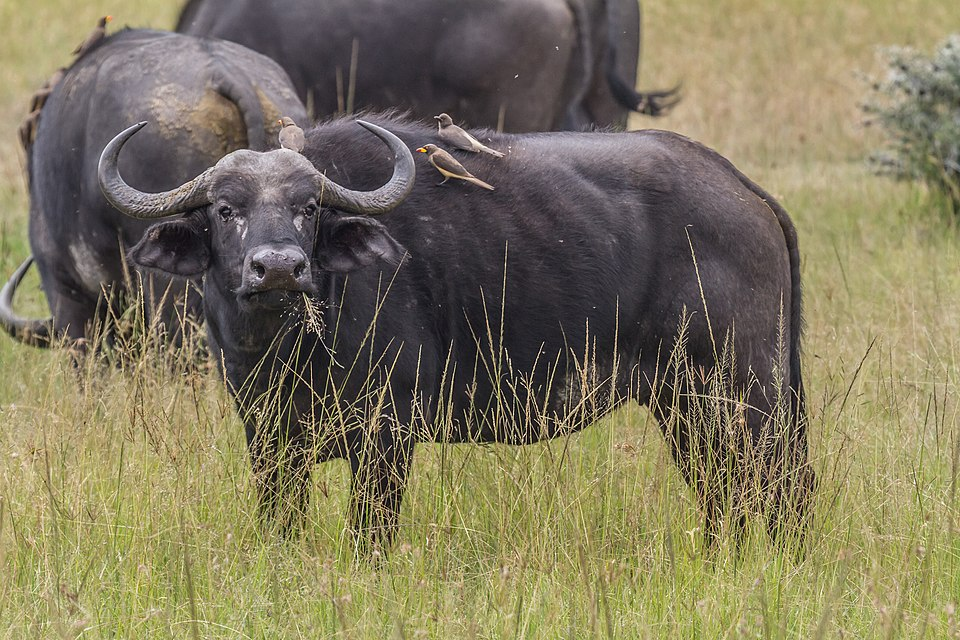
Bovines include a diverse range of medium to large artiodactyls distributed across ten genera. This assemblage encompasses cattle, bison, African and water buffalo, as well as several species of antelopes. Typical traits of bovines involve split hooves and the presence of true horns in at least one sex of most species. The gaur holds the distinction of being the largest living representative of this subfamily.
Across much of the world, bovid meat and milk serve as important food sources for humans. Cattle, in particular, are widely maintained as livestock, except in regions such as India and Nepal, where Hindu traditions regard them as sacred. Beyond their nutritional value, bovines are also utilized for labor and transport, functioning as draft and riding animals. Some miniature domestic breeds, like the Miniature Zebu, are even kept as companion animals.
Classification of bovines (Bovinae)
This subfamily is divided according to their tribe. Among these are:
- Bovini (bison, cattle, gaur)
- Boselaphini (four-hornes antelope, nilgai)
- Tragelaphini (bongo, common eland, gigant eland)
Source(s):
https://en.wikipedia.org/wiki/Bovinae
Photo(s):
1. Benh LIEU SONG from Torcy, France, CC BY-SA 2.0 https://creativecommons.org/licenses/by-sa/2.0, via Wikimedia Commons