
Malts
Consumption area(s): We couldn’t find any reliable data on the availability of this product/recipe, but it is presumably mainly consumed in Europe, North America and Asia.
Introduction
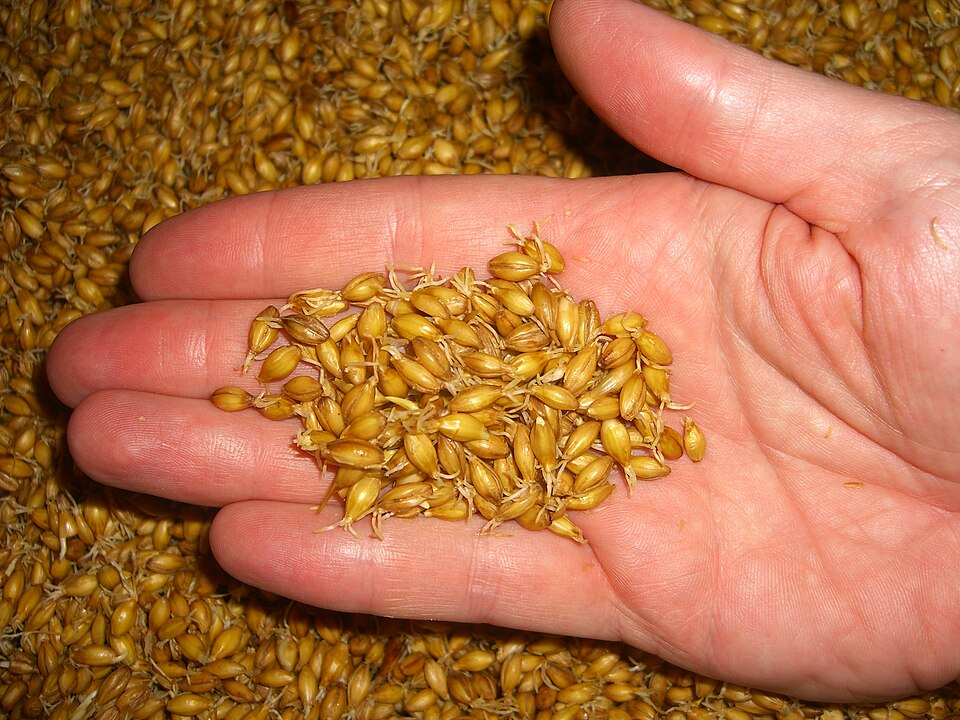
Malts are produced by germinating a cereal, usually barley, which are then dried to halt the germination process. This process, known as malting, is essential for the production of various alcoholic beverages such as beer and whisky, as well as malt vinegar. Malt is used not only in liquids but also in sweets like Maltesers and Whoppers, in beverages such as Horlicks and Milo, and in a variety of baked goods including bread, bagels, and cookies.
Description of malts
Malting promotes the production of enzymes that convert starches into fermentable sugars such as maltose, glucose, and other compounds like maltodextrins. In addition, proteases are formed, which break down proteins into forms more easily utilized by yeast. Depending on when the process is halted, different types of sugars are obtained, some more fermentable than others, due to the partial conversion of starch.
Malt also contains small amounts of sucrose and fructose, sugars naturally present in the seeds before malting. During the mashing stage, these sugars can be further modified to become more fermentable, fueling the fermentation process.
Although various cereals can undergo malting, barley is the most commonly used, and is sometimes processed into high-protein flours, particularly for leavened bread and other baked goods. The term “malt” can also refer to different derivatives of this process, such as maltose produced from malted barley, or more complex products like single malt whisky, which owes its name to the malt used in its distillation.
History of malts
The use of malted cereals for beer production has ancient origins, dating back to civilizations such as the Egyptians, Sumerians, and Chinese. In the Persian territories, there is a sweet dish made from germinated wheat, known by different names in various countries.
In Iran, it is called samanū, in Afghanistan it is samanak, and in Uzbekistan it is known as sumalak. In Kyrgyzstan, the dish is called sümölök. This delicacy is associated with Nowruz, the Persian New Year celebration, and is a symbol of abundance. Tradition holds that women prepare the dish during a night-long festivity, cooking it until dawn while singing ritual songs that accompany the long preparation.
In Finland, a similar dish is mämmi, a porridge made from rye malt, traditionally eaten during Lent. Although it shares the color, recipe, and flavor with samanū, today mämmi is mostly purchased in stores from February until Easter. A 2013 survey revealed that in modern Finland, almost no one prepares mämmi at home.
Production methods for malts
The malting process transforms cereals into malt and is essential for the production of beer, spirits, and other food products. This process takes place in specialized facilities called malting houses. Initially, the grains are spread in a layer about 8–12 centimeters thick, beginning the drying process. The first stage involves drying the grains until their moisture content drops below 14%, followed by a storage period of approximately six weeks to allow the seeds to break dormancy.
During the steeping phase, the grains are soaked in water for several days, typically two to three, to promote moisture absorption and stimulate germination. When the grains reach around 46% moisture, they are transferred to the germination floor, where they remain for four to six days, being turned regularly and air-dried to complete germination.
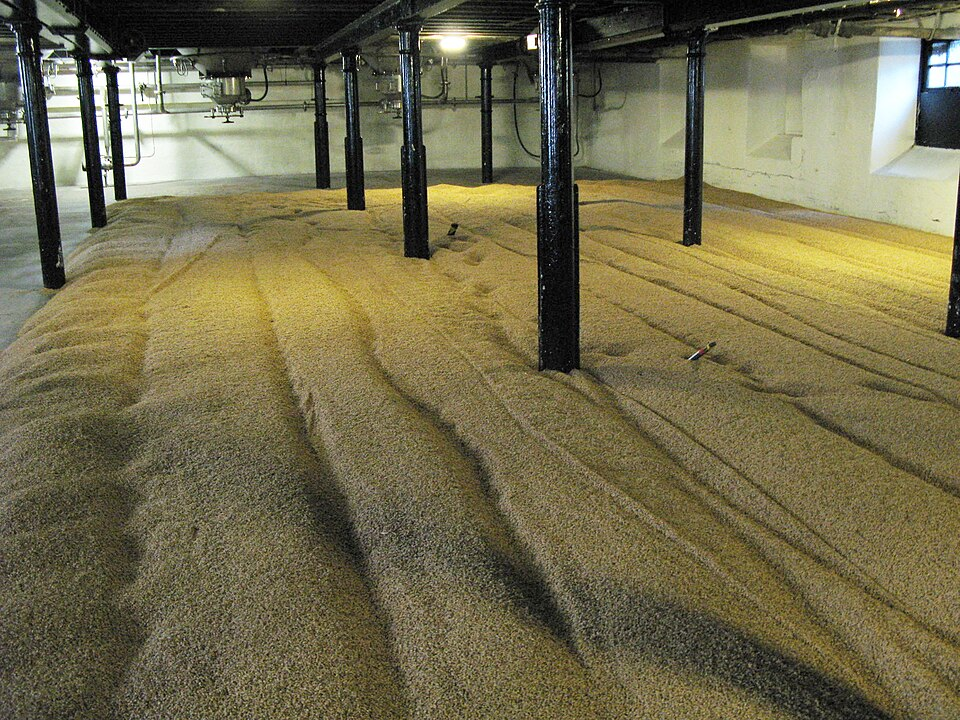
The grain, now called “green malt”, undergoes pre-roasting: a stage in which it is dried and toasted in a kiln until reaching the desired color and characteristics. The resulting malts can range from pale to dark, with hues from amber to chocolate or black, depending on the roasting process.
In the final stage, the germinated malt is further treated through smoking. The grains are placed on a perforated wooden floor and exposed to smoke from a roasting chimney, which heats the grains and the floor. This step is carried out at approximately 55 °C (131 °F), imparting the malt with a unique fragrance and distinctive flavor.
Classification of malts
Malt is primarily classified according to the cereal used. The main types are:
- Barley malt
- Oat malt
- Rice malt
- Rye malt
- Wheat malt
Recipes that use this product as an ingredient:
Source(s):
https://en.wikipedia.org/wiki/Malt
Photo(s):
1. Peter Schill, CC BY-SA 2.0 DE https://creativecommons.org/licenses/by-sa/2.0/de/deed.en, via Wikimedia Commons
2. Lakeworther, CC BY-SA 3.0 https://creativecommons.org/licenses/by-sa/3.0, via Wikimedia Commons