
Cow milk cheeses
Food, Animal source foods, Dairy products, Cheeses
Consumption area(s): Earth
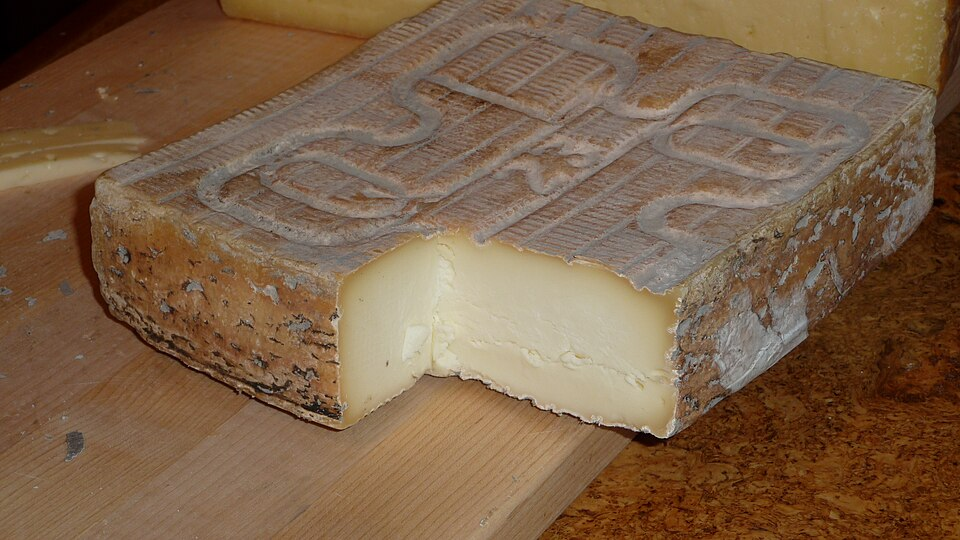
Introduction
Cow milk cheeses display a wide organoleptic range, but are generally characterized by a milder, sweeter, and more buttery flavor compared to other types (such as goat or sheep milk cheeses). Thanks to a balanced content of proteins and fats, cow milk cheeses can range from very soft and creamy textures to firm and granular varieties, while often maintaining a smooth and uniform consistency.
Description of cow milk cheeses
From a nutritional standpoint, cheeses are considered nutrient-dense foods, providing a high concentration of essential components. They provide a high caloric intake and supply essential nutrients such as calcium, phosphorus, and fat-soluble vitamins (A, D, and E). A 100 g portion (about 3.5 oz) of hard cow milk cheese can contain over 1000 mg of calcium, which is crucial for bone health, along with significant amounts of B vitamins, particularly vitamin B12.
Overall, cow milk cheese is therefore a highly nutritious and flavorful food, although it is also rich in saturated fats and salt, and should be consumed in moderation. The production of cow’s milk cheeses results in an extremely wide variety of products.
History of cow milk cheeses
The use of cow’s milk in cheesemaking dates back to very ancient times. Cattle were domesticated during the Neolithic period (around 8000–9000 BC) in the Middle East, and milking practices spread rapidly. It is estimated that by the 4th–3rd millennium BC, herders and early farmers were already collecting and using cow milk.
The earliest forms of cheese production likely emerged accidentally—for example, by storing milk in containers made from animal stomachs, which naturally contain enzymes that promote coagulation. However, archaeological evidence points to a well-established dairying activity from the late Neolithic onward. In Europe, cheese strainers dated to 5500–5000 BC (found in areas such as Poland and ancient Dalmatia) have been discovered, still bearing residues of animal fats.
Over time, cheesemaking techniques spread throughout the Mediterranean basin. The ancient Romans were already familiar with cow milk cheeses: in the 1st century AD, Pliny the Elder mentions Caseus Helveticus, a cheese produced by Alpine populations. During the Middle Ages, cheesemaking traditions continued to develop in monastic communities and rural areas, contributing to the growing social and cultural prestige of cow milk cheese. Historical sources note that members of the elite—kings, dukes, counts, marquises, barons, knights, and nobles—frequently consumed cheese.
Classification of cow milk cheeses
The cheeses typically classified in this group include:
- Grana Padano PDO
- Parmigiano Reggiano PDO
Photo(s):
1. F. D. Richards from Clinton, MI, CC BY-SA 2.0 https://creativecommons.org/licenses/by-sa/2.0, via Wikimedia Commons