
Capons
Food, Animal source foods, Animals (Animalia), Chordates (Chordata), Vertebrates (Vertebrata), Birds (Aves), Neognaths (Neognathae), Galliforms (Galliformes), Phasianidae, Gallus, Gallus gallus
Scientific name: Gallus gallus domesticus
Consumption area(s): Earth
Introduction
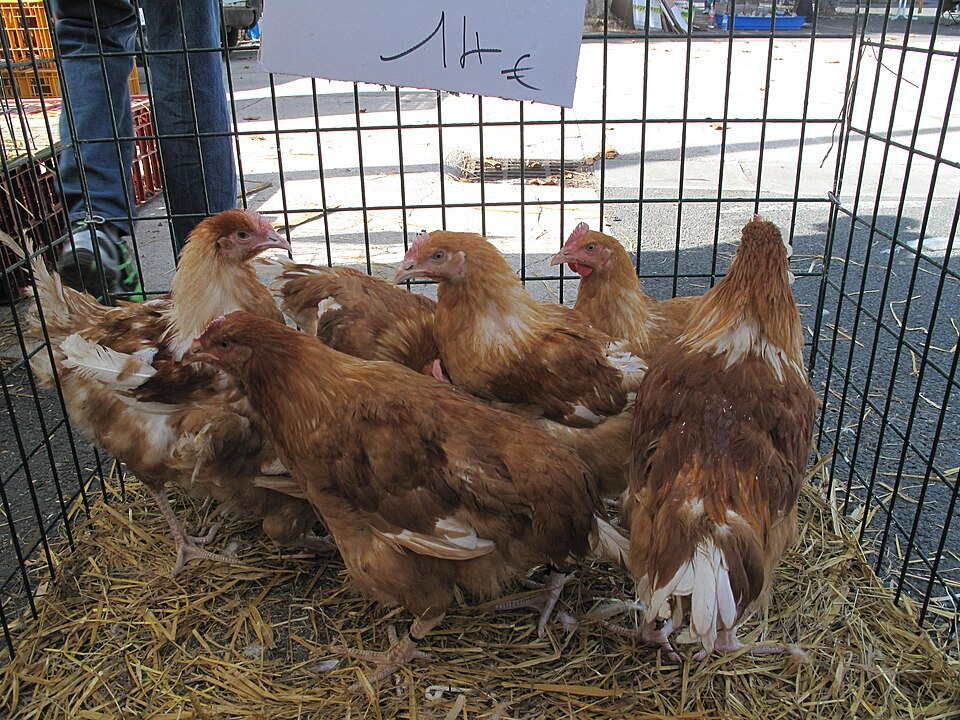
Capons are male domestic chickens that undergo castration or sterilization, performed through either surgical methods or chemical processes, with the aim of enhancing the texture and flavor of its meat. This practice alters the animal’s physiological development, leading to more tender and richer flesh. In certain regions, such as Spain, these birds are additionally subjected to intensive feeding techniques to further increase their fat content and overall quality for consumption.
Description of capons
From a behavioral standpoint, the absence of these hormones leads to reduced aggression, making capons easier to manage and allowing multiple individuals to be housed together without significant territorial conflict.
Physiologically and gastronomically, capons exhibit distinct traits. Their meat is generally more tender, juicier, and richer in flavor, with a less pronounced gamey taste. These qualities derive both from hormonal differences during growth and from their lower activity levels, which promote higher fat deposition and softer muscle texture. Morphologically, capons also develop reduced comb, wattle, and head size, compared to intact roosters.
History of capons as food
The historical origins of capon production are uncertain, but evidence shows that the practice existed in both ancient China, ancient Greece, and ancient Rome, indicating a wide and early diffusion across different cultures.
A significant reference appears during the Roman Republic, when the Lex Fannia (162 BC) prohibited the fattening of hens to preserve grain supplies. In response, Romans began castrating roosters, a technique that unexpectedly led to birds growing larger and more suitable for consumption. This method continued into the medieval period, where culinary traditions favored capons over regular chickens, which was instead associated with lower social classes. At the same time, cultural anecdotes suggest that monastic communities were stereotypically linked to a strong preference for this type of meat.
By the early 20th century, France had developed a well-established and internationally recognized capon industry, maintaining a strong tradition of breeding and preparing these animals for high-quality gastronomy.
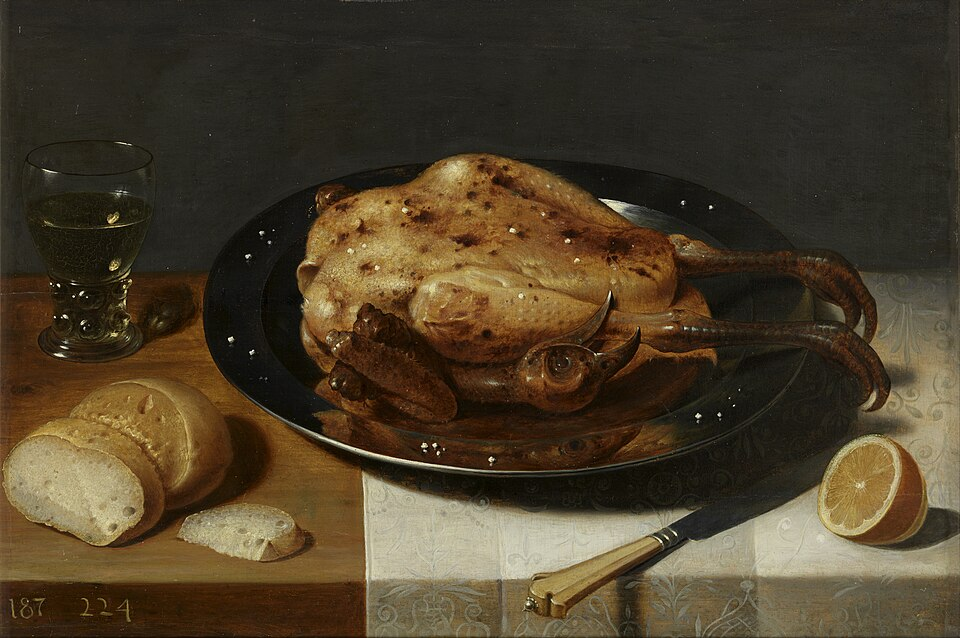
References to capons also appear in literature, notably in the works of William Shakespeare. In As You Like It, within the famous “All the world’s a stage” monologue, the capon is depicted as a symbol of wealth and refinement, associated with a prosperous stage of life. Similarly, the character Sir John Falstaff is portrayed as someone who enjoys such luxurious foods, reinforcing the idea of capon as a status-linked delicacy.
Production methods for capons
Caponisation refers to the transformation of a young male chicken into a capon through the elimination of testicular function. This can be achieved either via surgical removal of the testes or through hormonal-based treatments, both of which suppress the action of male sex ones. The procedure must occur before sexual maturity, ensuring the animal develops without typical male hormones influence.
Despite these advantages, capons are relatively uncommon in modern industrial poultry production. Contemporary meat chickens are selectively bred for rapid growth rates, reaching slaughter weight in as little as five weeks. Under such conditions, caponisation offers minimal ìì benefit, as the resulting meat would be largely indistinguishable from standard chicken, making the practice economically unnecessary at scale.
Uses of capons
Capons are traditionally produced in several areas of France, particularly in regions such as Gers and Jura. A prominent example is the Bresse capon, known as Chapon de Bresse, which benefits from a protected designation that distinguishes it from other regional products. In this area, capons are exclusively derived from the Bresse “blue-foot” breed, raised under controlled feeding regimes that enhance meat tenderness and quality, making them highly valued in fine gastronomy.
In Italy, production is concentrated in northern regions such as Piedmont, Friuli-Venezia Giulia, Emilia-Romagna, and Marche. Historically, during the early 20th century, capon was a central dish in Christmas meals, especially in Tuscany and other northern areas. For many rural and working-class households, it represented a rare festive luxury, reserved for major celebrations.
Within Spain, capons are closely associated with Christmas traditions, particularly in northern regions. Notably, those from Vilalba and Lugo enjoy strong reputations and are distributed widely across the country.
In China, capons are often specifically raised for consumption during the Chinese New Year, reflecting their role in ceremonial and festive cuisine. Similarly, in Thailand, they are used in dishes such as Hainanese chicken rice, particularly in established restaurants, where their superior texture and flavor are considered especially desirable.
Classification of capons
Some capons are recognized as highly important traditional products, among them:
- Cappone di Monasterolo di Savigliano
- Cappone di Morozzo
- Cappone di San Damiano d’Asti
- Cappone di Vesime
- Cappone friulano
- Cappone rustico
Nutritional facts table
Although capons are sometimes consumed whole, it is not possible to provide even approximate nutritional values, as these vary greatly depending on the specific cut. For this reason, reference should be made to the nutritional tables of individual cuts.
Recipes that use this product as an ingredient:

Source(s):
https://en.wikipedia.org/wiki/Capon
Photo(s):
1. Tangopaso, Public domain, via Wikimedia Commons
2. David Rijckaert (II), Public domain, via Wikimedia Comons