
Magnoliales
Order of Magnolids
Food, Plant source foods, Plants (Plantae), Flowering plats (angiospermae), Mesangiosperms, Magnolids
Consumption area(s): Earth
Note: For better understanding, please read the article on flowering plants (angiospermae) first. If you come across unfamiliar words, you can click on any highlighted term to open the glossary with definitions of key botanical terms.
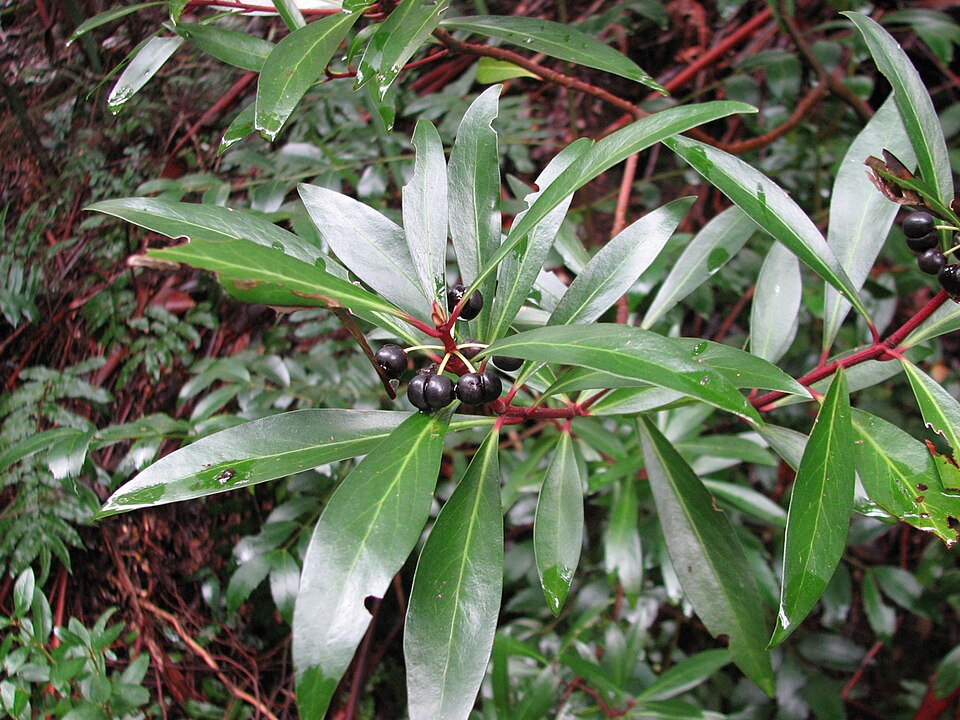
Introduction
The Magnoliales represent a group within the flowering plants that includes a range of familiar species. Among its most recognizable members are magnolias and tulip trees, along with various fruit-bearing plants such as custard apples, cherimoyas, soursop, and the American pawpaw. This order also contains species valued for other uses, including ylang-ylang, known for its fragrance, and nutmeg, which is widely used as a spice.
Description of Magnoliales
These are woody plants, either evergreen or deciduous, characterized by a generally persistent structural habit. The leaves are typically arranged in two-ranked (distichous) patterns along the branches. They are simple and undivided, often with a leathery texture, and usually display entire margins. Stipules are absent, which is a consistent diagnostic feature of the group.
The flowers are mostly large and bisexual. Their floral organs are arranged in a clearly spiral pattern rather than whorls, and the middle part of the flower is long and cone-shaped, rather than short or flat. A high number of floral parts is typically present, and the carpels remain free rather than being fused.
Classification of Magnoliales
This order is divided into families. Among them are:
- Annonaceae (biribá, cherimoya, pawpaw, soursop, sugar apple)
- Canellaceae (pepper-bark tree, wild cinnamon)
- Magnoliaceae (southern magnolia, yulan magnolia)
- Myristicaceae (macis, nutmeg)
- Winteraceae (canelo, Tasmanian pepper)
Photo(s):
1. Melburnian, CC BY 3.0 https://creativecommons.org/licenses/by/3.0, via Wikimedia Commons