
Sapindales
Order of Malvids (Eurosids II)
Food, Plant source foods, Plants (Plantae), Flowering plats (angiospermae), Mesangiosperms, Eudicots, Core eudicots, Superrosids, Rosids, Malvids (Eurosids II)
Consumption area(s): Earth
Note: For better understanding, please read the article on flowering plants (angiospermae) first. If you come across unfamiliar words, you can click on any highlighted term to open the glossary with definitions of key botanical terms.
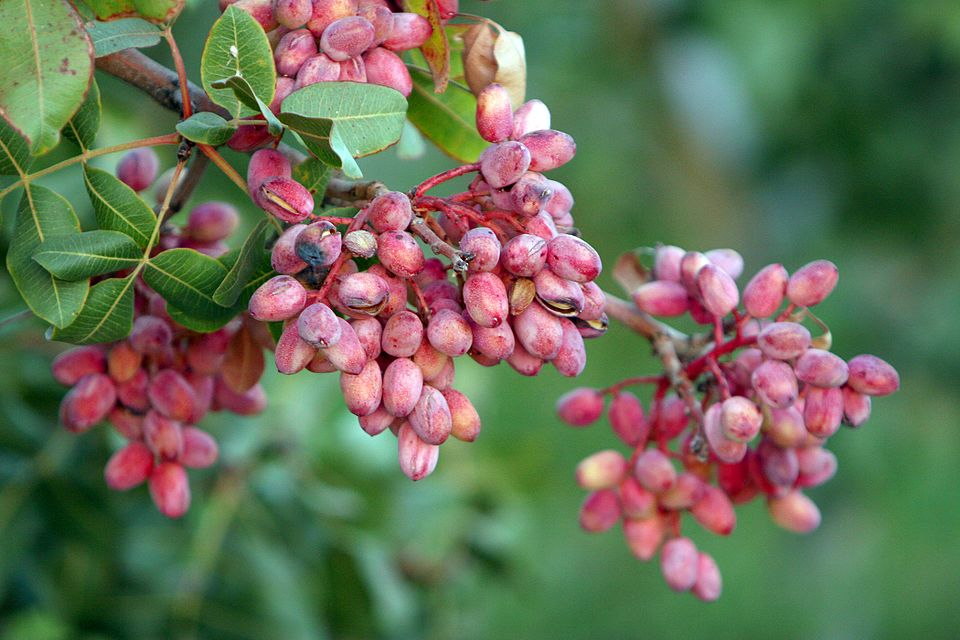
Introduction
The order Sapindales includes a wide variety of flowering plants, many of which are of great economic and cultural importance. Among the most well-known representatives are citrus plants (such as oranges and lemons), maples, known for syrup production, and horse chestnuts, appreciated for their ornamental value. This group also includestrees such as lychee and rambutan, both characterized by sweet and juicy flesh. It further comprises mango and cashew plants, tropical species from which, respectively, a fleshy fruit and a dry fruit are obtained.
Classification of Sapindales
This order is in turn subdivided according to families. Among these we find:
- Anacardiaceae (cashew, mango, pistachio, sumac)
- Burseraceae (canarium, dacryodes, elemi)
- Meliaceae (langsat, neem, santol)
- Nitrariaceae (guggul, nitraria, peganum)
- Rutaceae (bergamots, oranges, citron, grapefruits, lemons, mandarins)
- Sapindaceae (lychee, longan, rambutan, sugar maple)
- Simaroubaceae (quassia)
Photo(s):
1. Safa.daneshvar, CC BY-SA 3.0 https://creativecommons.org/licenses/by-sa/3.0, via Wikimedia Commons