
Fungal source foods
Consumption area(s): Earth
Introduction
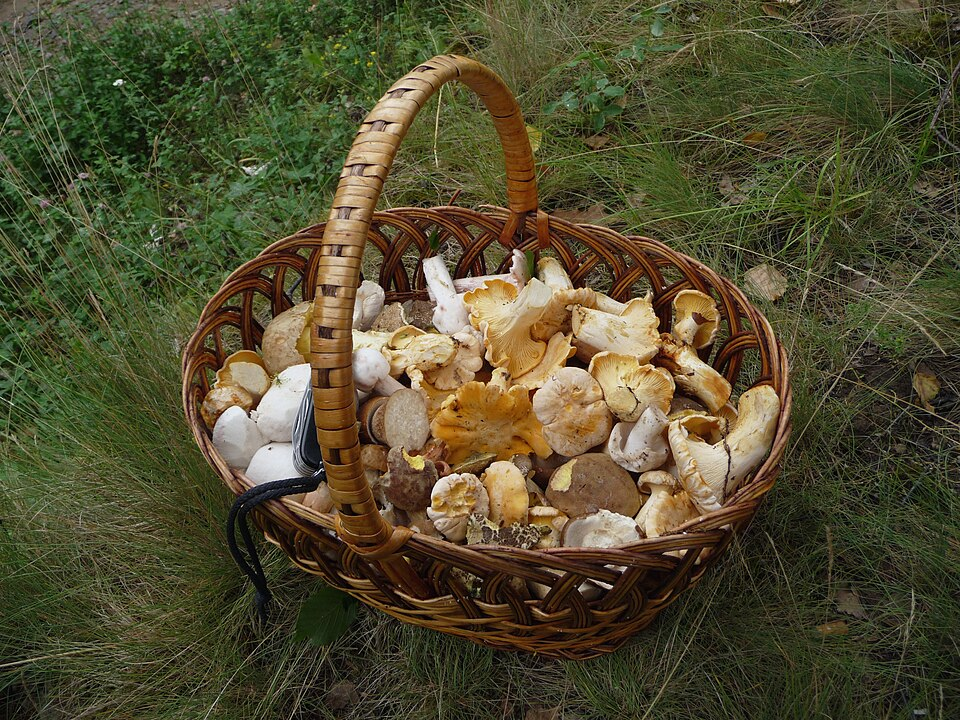
Fungal source foods represent the visible sporocarp (fruiting bodies) formed by selected fungal species that have been reliably distinguished and safely processed. Their classification as suitable for eating depends largely on acceptable flavour, digestibility, and the lack of toxic secondary compounds. These organisms are appreciated for both their dietary contribution and their importance in culinary traditions, and they may originate from agricultural production systems or from natural habitats.
From a safety perspective, mushrooms collected in the wild require precise taxonomic recognition before they can be consumed with confidence. Some highly poisonous taxa, frequently mistaken for edible counterparts, belong to Amanita phalloides — commonly called the death cap — being among the most dangerous. In addition, mushrooms that are normally considered safe may still trigger hypersensitivity reactions in susceptible individuals, while deteriorated or incorrectly stored specimens can result in gastrointestinal intoxication.
Description of fungal source foods
The suitability of mushrooms for consumption is mainly determined by pleasant flavour, characteristic aroma, and the absence of toxic effects in humans. These fungi are widely appreciated for their nutritional benefits and their role in culinary preparation, since they can enhance taste and texture. Certain varieties, particularly dried shiitake, are well known for providing a strong umami sensation. Numerous fungal species fall into the category of edible mushrooms, whether they are naturally collected or artificially cultivated.
In natural environments, mushrooms may develop underground or above the soil surface, and they are typically gathered manually. Accurate species recognition is essential in order to avoid confusing edible forms with dangerously poisonous counterparts.
Common species that are easy to cultivate or widely found in the wild are frequently sold in food shops and seasonal markets, whereas rarer types — such as truffles, matsutake, and morels — are usually obtained through limited harvesting and may even be considered luxury products. Mushrooms can be purchased fresh, but many are also distributed in dehydrated form. Furthermore, several edible varieties must undergo proper cooking to remove residual toxic substances and ensure they are safe to eat.
Classification of fungal source foods
In this context, we consider both edible fungi and their derived foods.
Edible fungi:
Mushroom-derived foods:
- Preserved fungal source foods